
General
Is America's Power Grid Running Out of Room? Blackout Risk in 2026 and How to Be Your Own Backup
Is the U.S. power grid at risk of blackouts?
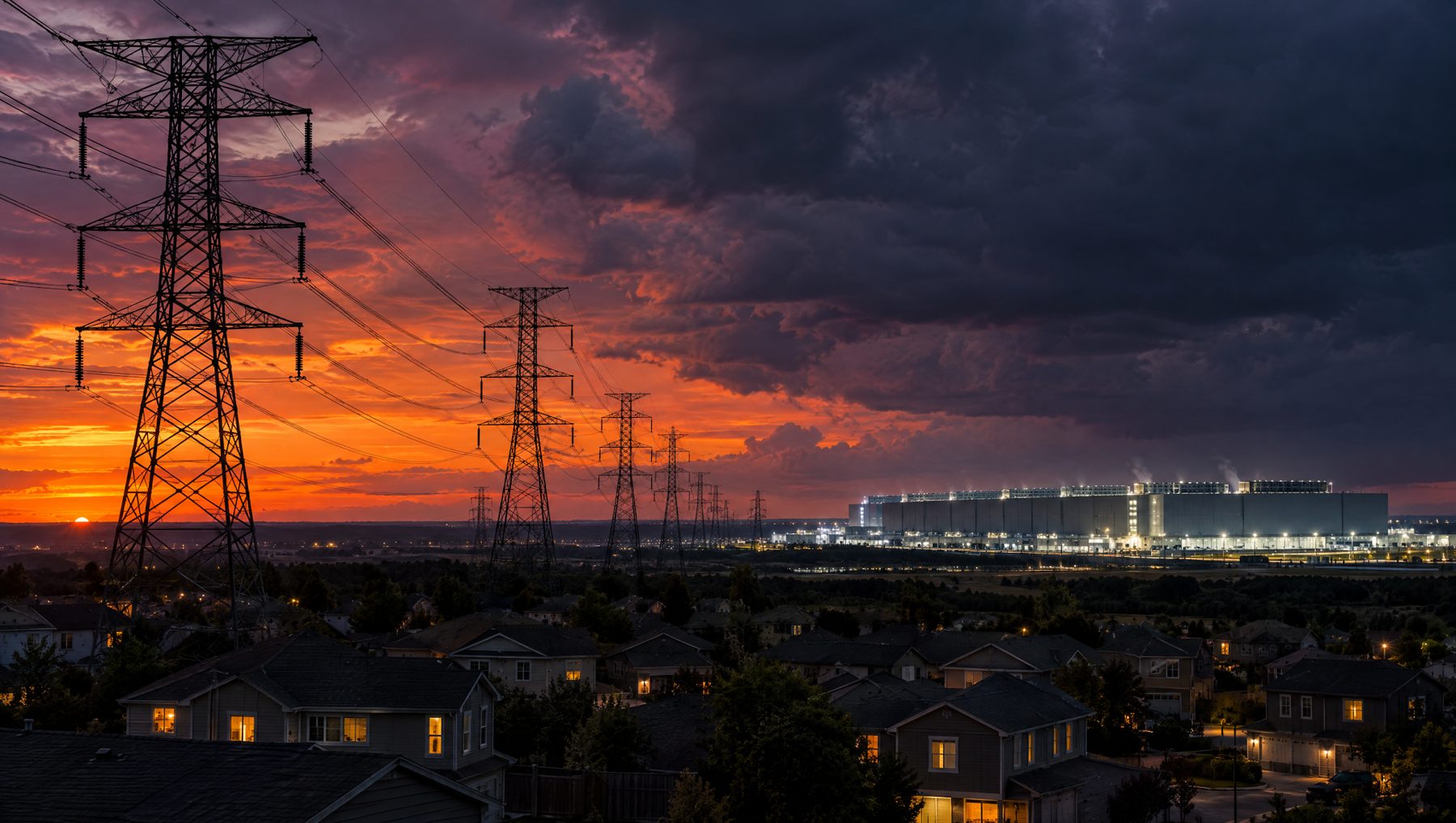
Yes, in more places and more often than it used to be. This week the grid serving 67 million people in 13 states asked the federal government for emergency powers, in October, the mildest month of the year [1] [2]. The national reliability regulator now says 13 of 23 North American grid regions face supply shortfall risk within five years [3]. Demand is climbing faster than new power plants can be built, and severe weather keeps knocking out lines. The grid is not collapsing, but its margin for error is getting thin, and the homes that ride through the next outage will be the ones that can power themselves.
What happened this week
On Sunday, October 11, PJM Interconnection, the grid operator for 13 states from New Jersey to Illinois and down to North Carolina, wrote to the Department of Energy. Between rising demand, autumn maintenance and power it had committed to neighboring regions, it expected to run within 900 megawatts of its reserve margin, roughly the output of a single large power plant [2].
The next day, Energy Secretary Chris Wright signed an emergency order under Section 202(c) of the Federal Power Act "to mitigate blackout risks in the mid-Atlantic." It lets PJM order specific plants to run, and even call on backup generators, including those at data centers, as a last resort before or during the final emergency stage, the point at which rolling blackouts begin. The order runs October 13 through 16, 2026 [1].
A PJM spokesman put it plainly: demand is "increasing faster than new generating capacity can be added," and this is "the new reality that grid operators are facing." It was PJM's second tight-supply alert this fall, after another on September 17 [2].
It isn't only the mid-Atlantic. In January, Winter Storm Fern left about 1.1 million customers without power across 10 states, from Texas to Virginia, with some areas dark for more than two weeks [10]. And in August, the White House declared a national emergency over the security of the bulk power system's equipment [16].
The five pressures on the grid
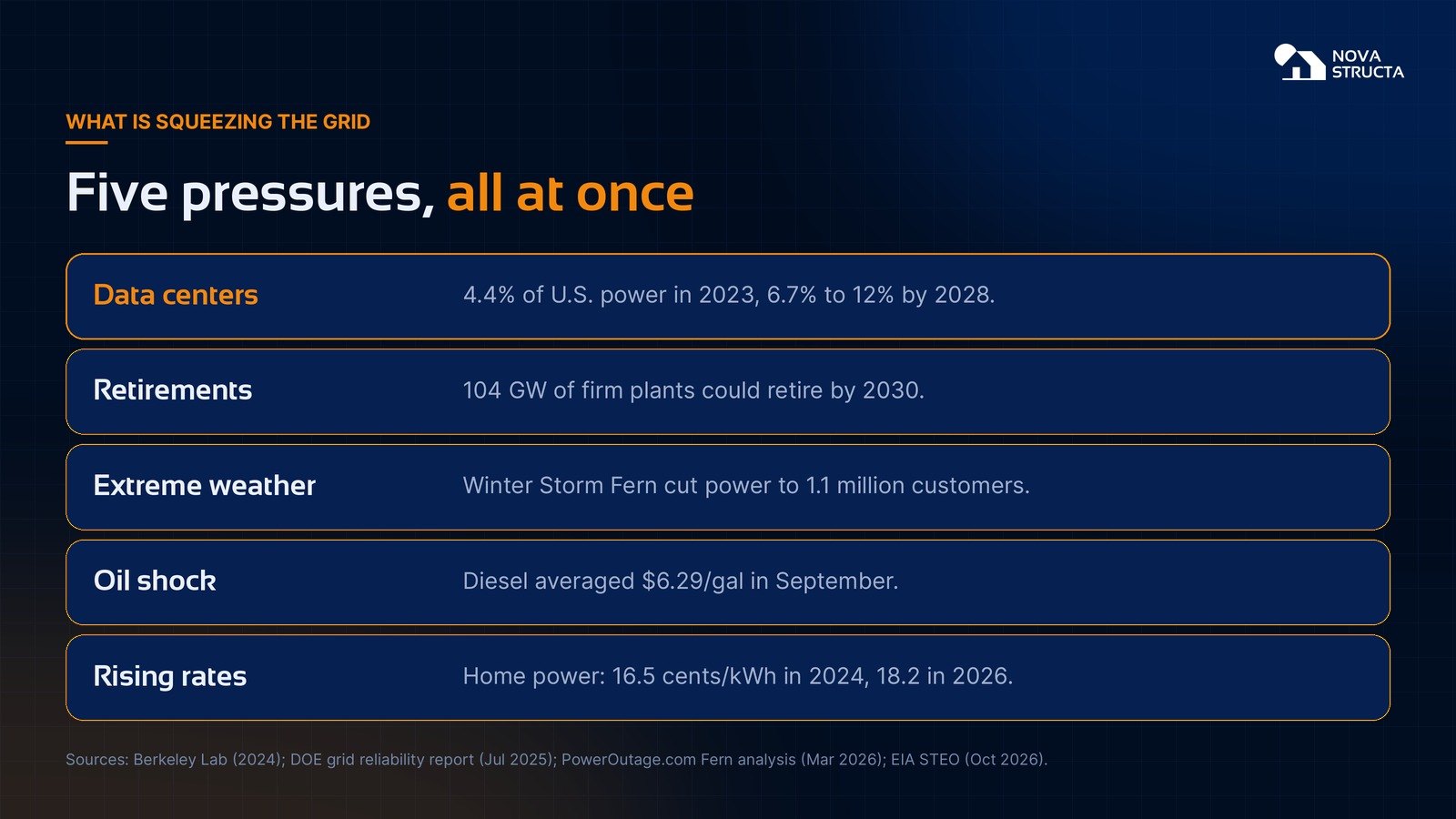
- Data centers. U.S. data centers used about 4.4% of the country's electricity in 2023. Berkeley Lab projects 6.7% to 12% by 2028, driven largely by AI [6]. NERC now expects summer peak demand to grow by 224 gigawatts over the next decade, the fastest growth since it began tracking in 1995 [3].
- Plants retiring faster than firm power is added. The Department of Energy warns that 104 gigawatts of firm generation could retire by 2030, and that in its modeling, outage hours could rise from single digits a year to more than 800 if that capacity isn't replaced [5]. In PJM's capacity auction for 2027 and 2028, prices hit a record $333.44 per megawatt-day cap and the region still came up short of its reliability target [11].
- Extreme weather. Hurricanes Beryl, Helene and Milton made 2024 the worst year for outage hours in a decade [9]. Fern's ice left parts of Mississippi without power for nearly two weeks in January [10]. And a hot summer pushed U.S. electricity use up 4% in the third quarter of 2026 [8].
- An oil shock. With oil flows from the Middle East constrained since hostilities began this year, EIA now forecasts Brent crude at $105 a barrel this quarter. Diesel averaged $6.29 a gallon in September, and heating oil is up more than 30% from last winter [7].
- Rising rates. The average U.S. home paid 16.5¢ per kWh in 2024. EIA expects 18.2¢ in 2026 and 18.7¢ in 2027, and wholesale power in the PJM region is up 41% this year [8].
A note on oil. Oil makes very little of America's electricity [7], so the oil shock won't directly raise most power bills. It hits homes in other ways: the gasoline and diesel a backup generator burns, the heating oil many Northeast homes rely on, and the cost of everything trucked to your door. That matters when you choose how to back up your home.
Find your region
Every part of the country has a different pressure. Tap a region on the map.
Mid-Atlantic & Ohio Valley
New Jersey, Pennsylvania, Delaware, Maryland, D.C., Virginia, West Virginia, Ohio (PJM also reaches parts of Illinois, Indiana, Kentucky, Michigan and North Carolina)
- On October 12, 2026, the Energy Department issued an emergency order so PJM could avoid rolling blackouts through October 16 [1].
- PJM expected to run within 900 MW of its reserve margin, in October [2].
- Wholesale power in the PJM region is up 41% in 2026, the most in the country [8], and its capacity auction hit a record price cap [11].
- NERC lists PJM at high risk of supply shortfalls later this decade [3].
Plan for: grid emergencies in heat waves and cold snaps, and rising bills.
Northeast & New England
New York, Connecticut, Massachusetts, Rhode Island, Vermont, New Hampshire, Maine
- NERC flagged New England at elevated risk this summer, as firm imports from neighboring grids decline [4].
- Homes heating with oil, mostly in the Northeast, face prices up more than 30% from last winter [7].
- New England, New York and PJM had the highest wholesale power prices in the country this year [8].
Plan for: winter storms that knock out heat, and the highest energy prices in the country.
Southeast & South Central
North Carolina, South Carolina, Georgia, Alabama, Mississippi, Tennessee, Kentucky, Louisiana, Arkansas
- Winter Storm Fern cut power to about 1.1 million customers in January; Tennessee peaked at 345,000 and Mississippi at 189,000 [10].
- Parts of Mississippi needed nearly two weeks to restore power [10].
- South Carolina customers averaged nearly 53 hours without power in 2024 after Hurricane Helene [9].
Plan for: multi-day outages from ice storms and hurricanes.
Florida
Florida
- Hurricane Milton left 3.4 million Florida customers without power in October 2024 [9].
- Helene and Milton helped make 2024 the worst year for U.S. outage hours in a decade [9].
Plan for: hurricane season, and the heat that follows a storm when the AC is off.
Texas
Texas
- NERC lists ERCOT, the Texas grid, at high risk of supply shortfalls later this decade, with data center demand a major driver [3].
- Hurricane Beryl left 2.6 million Texas customers without power in July 2024 [9].
- Winter Storm Fern cut power to about 142,000 Texas customers in January [10].
Plan for: summer peaks, Gulf storms and winter freezes.
Midwest & Plains
Illinois, Indiana, Michigan, Wisconsin, Minnesota, Iowa, Missouri, North Dakota, South Dakota, Nebraska, Kansas, Oklahoma
- NERC lists MISO, the grid covering much of the Midwest, at high risk of supply shortfalls later this decade [3].
- Parts of Illinois, Indiana and Michigan are also served by PJM, which is under an emergency order this week [1].
Plan for: extreme cold, severe storms and a tightening supply margin.
Northwest & Mountain West
Washington, Oregon, Idaho, Montana, Wyoming, Nevada, Utah, Colorado
- NERC flagged the Northwest at elevated risk this summer as drought and low snowpack cut hydropower [4].
- NERC lists the Northwest and Basin areas of the Western grid at high risk later this decade [3].
Plan for: heat waves, wildfire season and drought years.
California & Southwest
California, Arizona, New Mexico
- California's wholesale power prices hit historic lows this year, the opposite of the East Coast [8].
- Arizona customers averaged under two hours of interruptions in 2024 [9].
- Local outages from heat, storms and wildfire still happen, and a battery covers those too.
Plan for: local outages and evening peaks, when stored solar is worth the most.
Hawaii & Alaska
Hawaii, Alaska
- Hawaii customers had more power interruptions than any other state in 2024, about 4.4 on average [9].
- Both states run their own grids, not connected to the lower 48, so there is no neighbor to borrow power from.
Plan for: frequent interruptions on island and isolated grids.
Regions are grouped by state for simplicity; grid boundaries don't follow state lines exactly.
The part most people miss: solar alone goes dark
Most rooftop solar systems in America shut off when the grid goes down. That's by design: grid-tied inverters must stop sending power to the lines during an outage, so line workers repairing them aren't electrocuted [15]. The panels keep producing in the sun, but without a battery and the equipment to separate your home from the grid, that power has nowhere to go.
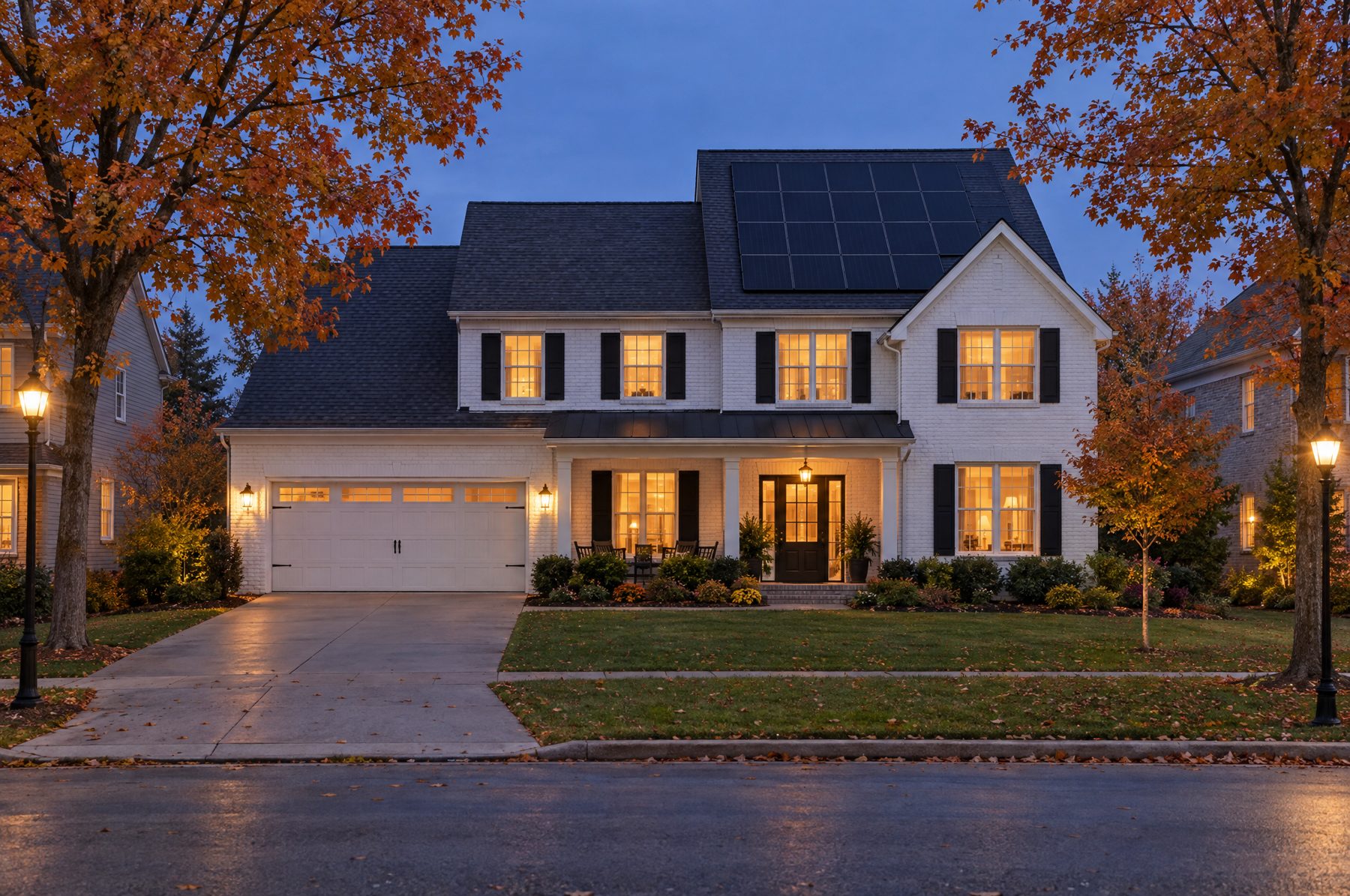
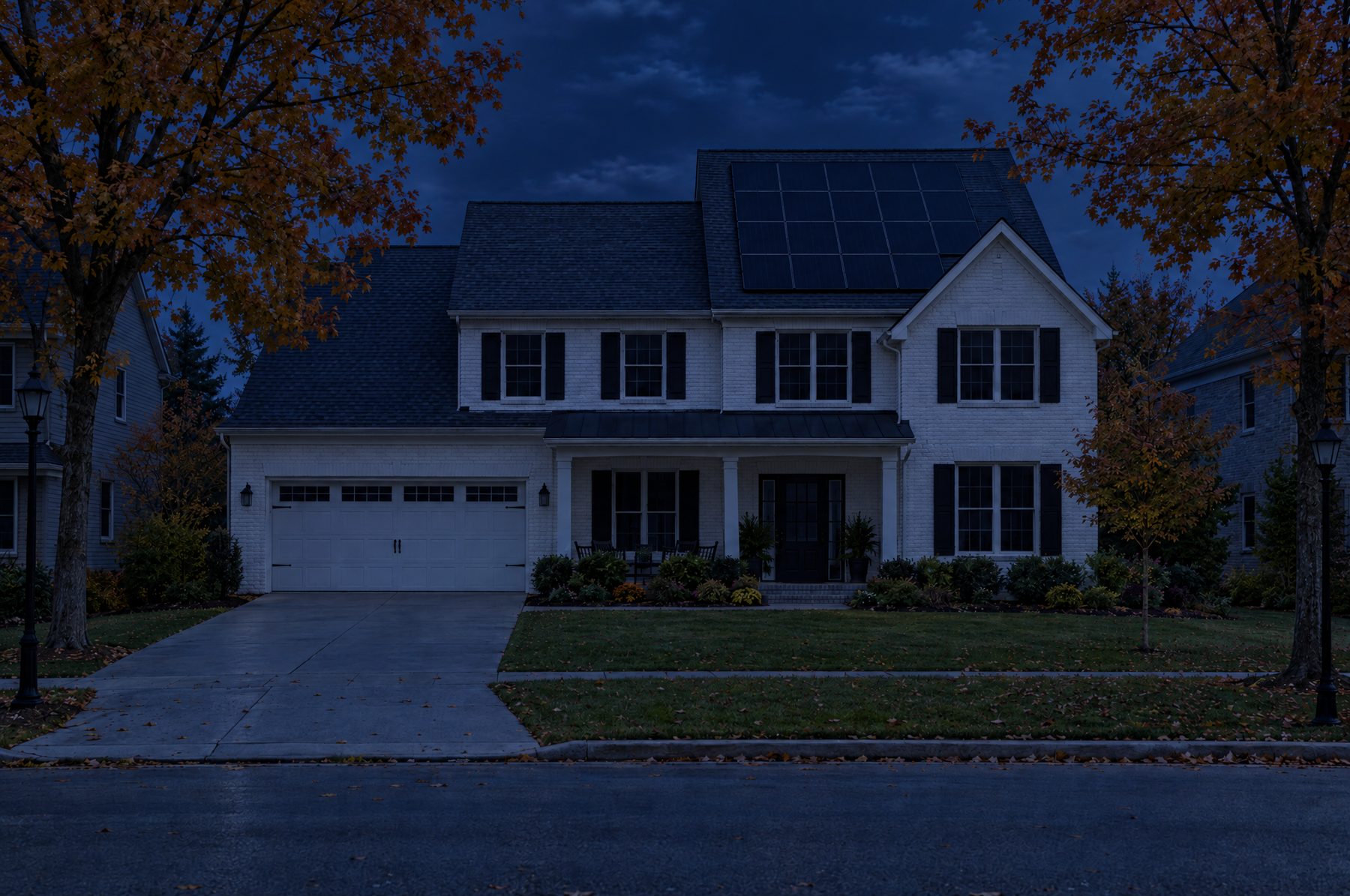
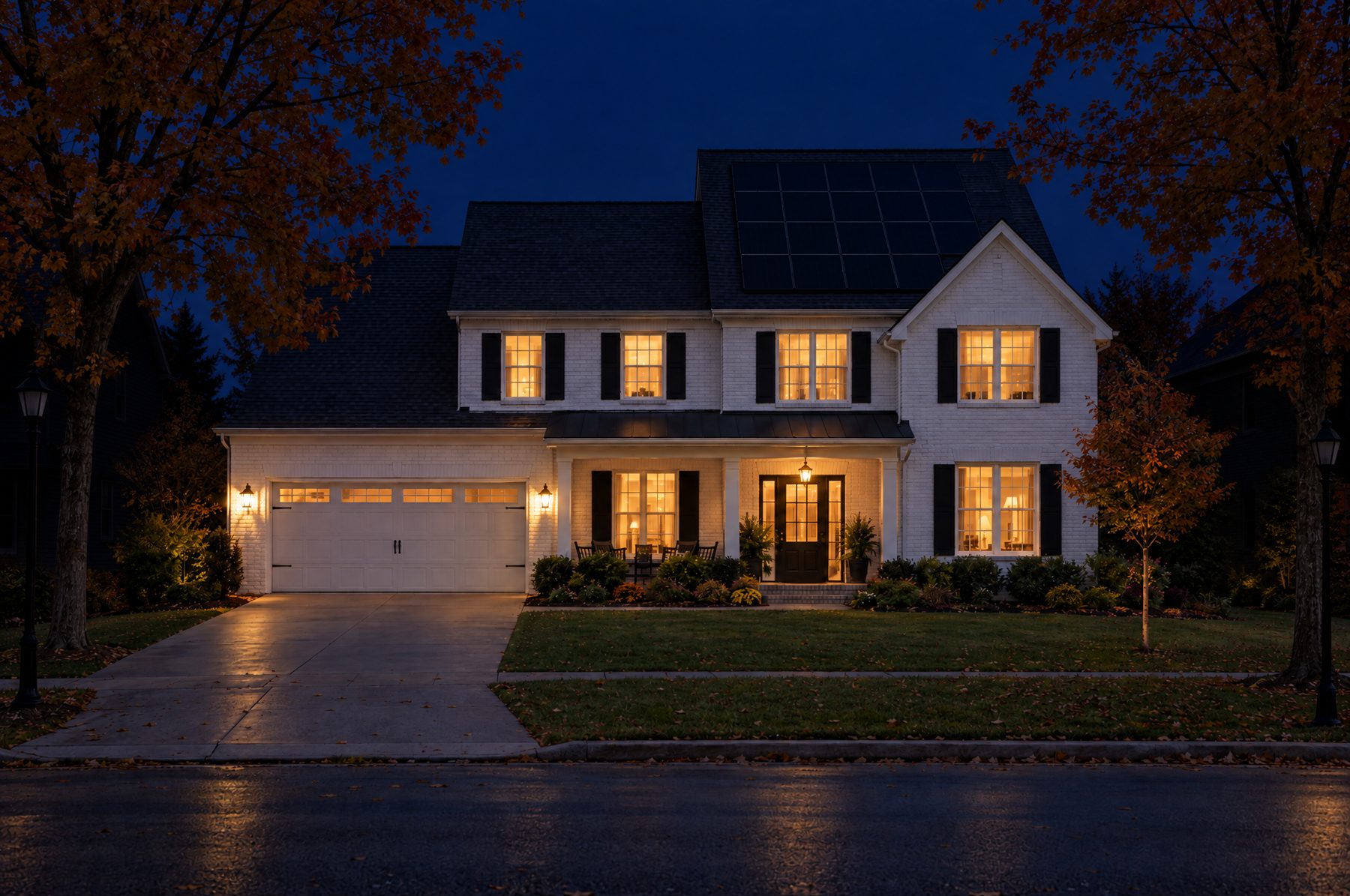
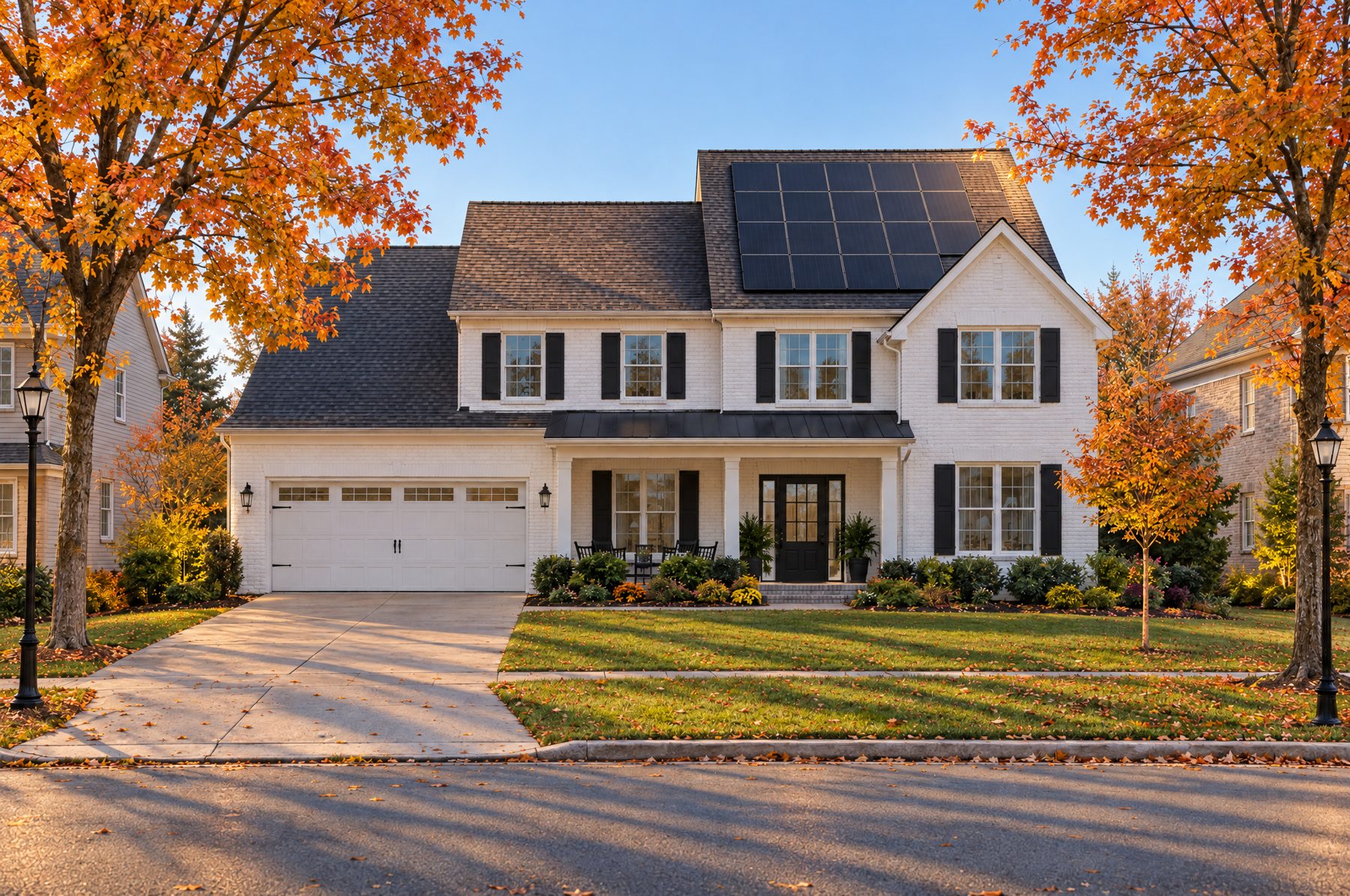 A normal eveningBlackout, solar onlyBlackout, solar + batteryThe next morning
A normal evening. The grid is up, the sun is down, and the house runs on utility power like every other home on the street.
Blackout, solar only. The panels are on the roof, but with no battery the system shuts off with the grid, by design [15]. This house is as dark as its neighbors.
Blackout, solar + battery. When the grid drops, the backup system separates the home from the lines and the battery takes over the circuits it was set up to back up [15].
The next morning. The grid may still be down, but the sun is up. The panels power the house and refill the battery for the night ahead, which is how a solar home can ride out a multi-day outage that a single battery charge alone could not.
Same home, same camera. Photos are illustrations; what a battery backs up depends on the equipment, the circuits chosen and its charge.
Generator or battery?
| Portable generator | Standby generator | Solar + battery | |
|---|---|---|---|
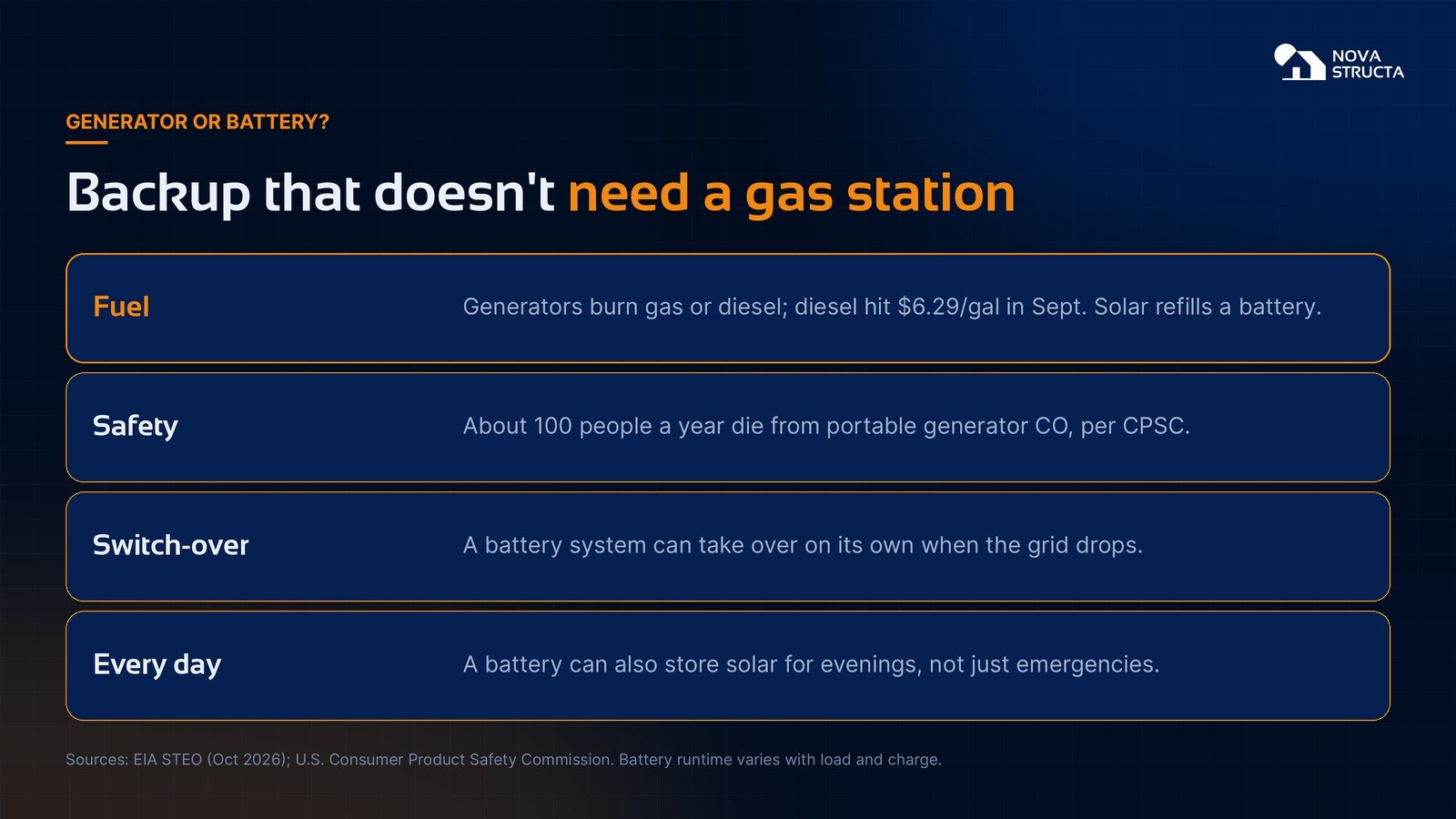
| Fuel | Gasoline, refilled by hand; diesel averaged $6.29/gal in September [7] | Natural gas line or a propane tank | The sun refills the battery |
| Starts on its own | No | Yes | Yes, with the right backup equipment |
| Safety | Must run outdoors; about 100 deaths a year from carbon monoxide [12] | Professionally installed outdoors | No exhaust, no fuel stored |
| Long outage | Only as long as you can find fuel | As long as gas or propane lasts | Recharges each sunny day |
| Every other day | Sits in the garage | Sits in the yard | Can store solar for the evening, depending on utility rules |
Generators still have their place, especially for whole-home loads in a long winter outage. But a battery never needs a trip to the gas station, and in a year when fuel itself is the shock, that matters.
How much backup do you need?
An average U.S. home uses about 10,791 kWh of electricity a year, about 29.6 kWh a day [13]. A single Tesla Powerwall 3 stores 13.5 kWh and can deliver 11.5 kW continuously [14], so on its own it holds a little under half of an average home's daily use.
That's why most backup systems are designed around essentials, not the whole house:
- Essentials: refrigerator and freezer, lights, Wi-Fi, phone charging, a few outlets, a well or sump pump, medical equipment. A single battery can carry these much longer than a whole home.
- Comfort: add a heat pump or air conditioner, which can be the largest load in the house. That usually means more storage or a larger system.
- Whole home: multiple batteries, sized to your actual usage.
With solar on the roof, a battery that is drained overnight can refill the next day, so the question is less "how many hours?" and more "what do you want running, and for how long without sun?" A good assessment starts with your last 12 months of electric bills.
How exposed is your home?
Tap everything that applies.
of 8 apply
Tap what applies to your home. Your exposure shows here.
Some exposure. Know which circuits you can't live without. A battery sized for essentials is often enough to ride out the outages you are likely to see.
High exposure. An outage would hit your health, your work or your home. Solar with battery storage, sized to your real usage, is worth a serious look.
Very high exposure. You have the most to lose when the grid goes down. Plan your backup before the next storm or grid alert, not during it.
A quick self-check, not an engineering assessment.
What the optimists say
Not everyone reads the data the same way. The consulting firm Grid Strategies argues NERC overstates the risk by pairing a high demand forecast with low assumptions for new generation and imports, and finds even NERC's flagged regions have enough supply when new projects in the queue are counted [4]. NERC's ratings describe risk under extreme conditions, not a forecast that blackouts will happen [3].
Both can be true. The bulk grid may avoid rolling blackouts most years, and your street can still lose power for days to ice, wind or a hurricane, which is what most outages are [9]. Whatever happens to the big grid, the homes with their own backup are the ones that don't have to wait.
Before you buy a battery, ask
- What will it back up? Essential circuits or the whole house, and does that include heating or cooling?
- Does it recharge from solar during an outage? Some setups only charge from the grid.
- Who installs it, and are they licensed for electrical work in your state?
- What does your utility allow? Interconnection and bill credit rules vary by utility and state.
- What does the warranty cover, and who provides it, the manufacturer or the installer?
- How is it monitored? You should be able to see the battery's charge from your phone.
Quick answers
Will there be rolling blackouts in the U.S. in 2026?
Grid operators came close this fall. On October 12, 2026 the Department of Energy issued an emergency order for PJM, the grid serving 13 states from New Jersey to Illinois, so it could avoid rolling blackouts through October 16 [1]. NERC says 13 of 23 North American regions face supply risk in the next five years [3].
Why is the power grid under so much strain?
Demand is rising faster than new supply, led by data centers, which Berkeley Lab projects will use 6.7% to 12% of U.S. electricity by 2028 [6]. At the same time, older plants are retiring [5] and extreme weather keeps damaging lines [9].
Do data centers raise my electric bill?
They add demand, and in regions like PJM that has pushed capacity prices to records [11]. How much shows up on your bill depends on your utility and state. EIA expects the average U.S. residential price to rise from 17.3¢ per kWh in 2025 to 18.2¢ in 2026 [8].
Do solar panels work during a power outage?
Not on their own. Grid-tied solar shuts off during an outage so it can't energize the lines crews are repairing [15]. To use solar in a blackout, you need a battery and backup equipment that separates your home from the grid.
How long will a home battery last in a blackout?
It depends on what it powers. A Tesla Powerwall 3 stores 13.5 kWh [14]; the average U.S. home uses about 29.6 kWh a day [13]. Backing up only essentials stretches that much further, and solar can refill the battery each day.
Is a battery better than a generator?
They solve different problems. A generator can run big loads as long as it has fuel, but portable units must run outdoors and are linked to about 100 carbon monoxide deaths a year [12]. A battery is silent, needs no fuel and, with solar, recharges itself.
Which parts of the U.S. are most at risk of blackouts?
NERC lists MISO in the Midwest, PJM in the mid-Atlantic, ERCOT in Texas and parts of the West as at high risk later this decade [3], and flagged New England and the Northwest for this summer [4]. Storm outages hit the Southeast and Gulf Coast hardest [9] [10].
The bottom line
The grid is being asked to do more, with less room to spare, in harsher weather, while fuel and electricity get more expensive. You can't fix the grid. You can decide how much of your home depends on it. Solar on the roof and a battery in the garage won't make you immune to every outage, but they turn a blackout from an emergency into an inconvenience.
If you're in Florida or metro Atlanta, book a free assessment and we'll review your bills, your roof and what you want to keep running, or see solar systems and home batteries. Anywhere else, take the questions above to a licensed installer near you.
Results vary by home, equipment, utility and weather. Examples and visuals are illustrative only. This article is general information, not engineering, legal or financial advice. Nova Structa coordinates consultations, project review, and customer support, but does not perform installation work. Installations are performed by independent licensed contractor(s). Tesla products may be installed by independent Tesla Certified Installer(s), where applicable. Tesla and Powerwall are trademarks of Tesla, Inc. PJM, NERC and other names are trademarks of their owners. References are for identification only and do not imply sponsorship, endorsement, certification, partnership, or affiliation.
Sources
- U.S. Department of Energy, "Energy Secretary Secures Mid-Atlantic Grid Ahead of Anticipated Stressed System Conditions," October 12, 2026 (Federal Power Act Section 202(c) Order No. 202-26-50, effective October 13 to 16, 2026). energy.gov
- Pennsylvania Capital-Star via WITF, "PJM Interconnection issues alerts warning of tight electricity supplies," October 14, 2026 (PJM letter to DOE: within 900 MW of reserve margin; 67 million customers in 13 states; Sept. 17 alert). witf.org
- North American Electric Reliability Corporation, 2025 Long-Term Reliability Assessment (January 2026), as reported by POWER magazine, January 29, 2026 (13 of 23 areas; 224 GW summer peak growth; MISO, PJM, ERCOT, WECC Basin and Northwest at high risk). powermag.com
- Grid Strategies, "Review of NERC's 2026 Summer Reliability Assessment," July 6, 2026 (New England and Northwest at elevated risk; counter-analysis). gridstrategiesllc.com
- U.S. Department of Energy, "Department of Energy Releases Report on Evaluating U.S. Grid Reliability and Security," July 7, 2025. energy.gov
- Lawrence Berkeley National Laboratory, "Berkeley Lab Report Evaluates Increase in Electricity Demand from Data Centers" (2024 Report on U.S. Data Center Energy Use). lbl.gov
- U.S. Energy Information Administration, Short-Term Energy Outlook, October 6, 2026 (Brent, diesel, gasoline, heating oil, generation shares). eia.gov
- U.S. Energy Information Administration, Short-Term Energy Outlook, October 2026, Electricity, Coal, and Renewables (residential prices; PJM wholesale up 41%; 3Q26 consumption). eia.gov
- U.S. Energy Information Administration, "Hurricanes in 2024 led to the most hours without power in the United States in 10 years," December 1, 2025. eia.gov
- PowerOutage.com, "Winter Storm Fern: Power Outage Impacts, Restoration Performance, and Grid Resilience Lessons," March 11, 2026. poweroutage.us
- Utility Dive, PJM capacity auction for the 2027/2028 delivery year (December 2025): record $333.44/MW-day cap, short of reliability target. utilitydive.com
- U.S. Consumer Product Safety Commission, "Winter Storm May Knock Out Power; CPSC Warns of Deadly Carbon Monoxide and Fire Risks," 2026 (about 100 deaths a year from portable generator CO). cpsc.gov
- U.S. Energy Information Administration, FAQ, "How much electricity does an American home use?" (10,791 kWh in 2022). eia.gov
- Tesla, Powerwall 3 Datasheet, North America (13.5 kWh, 11.5 kW continuous). tesla.com
- Northern Arizona Wind & Sun, "Why does a grid-tied system, without battery backup, shut down during a power outage?" (anti-islanding, UL 1741 / IEEE 1547). solar-electric.com
- The White House, "Fact Sheet: President Donald J. Trump Declares a National Emergency to Secure America's Bulk-Power System," August 26, 2026. whitehouse.gov
Savings and utility-bill examples shown are illustrative only, are not guaranteed, and may not reflect typical results. Actual savings depend on your energy usage, system size, roof and site conditions, financing terms, utility rates, net-metering rules, and other factors specific to your home.