General
Florida Homeowner Checklist 2026: What to Inspect Every Season (Built Around Hurricane Season)
What should a Florida homeowner check each season?
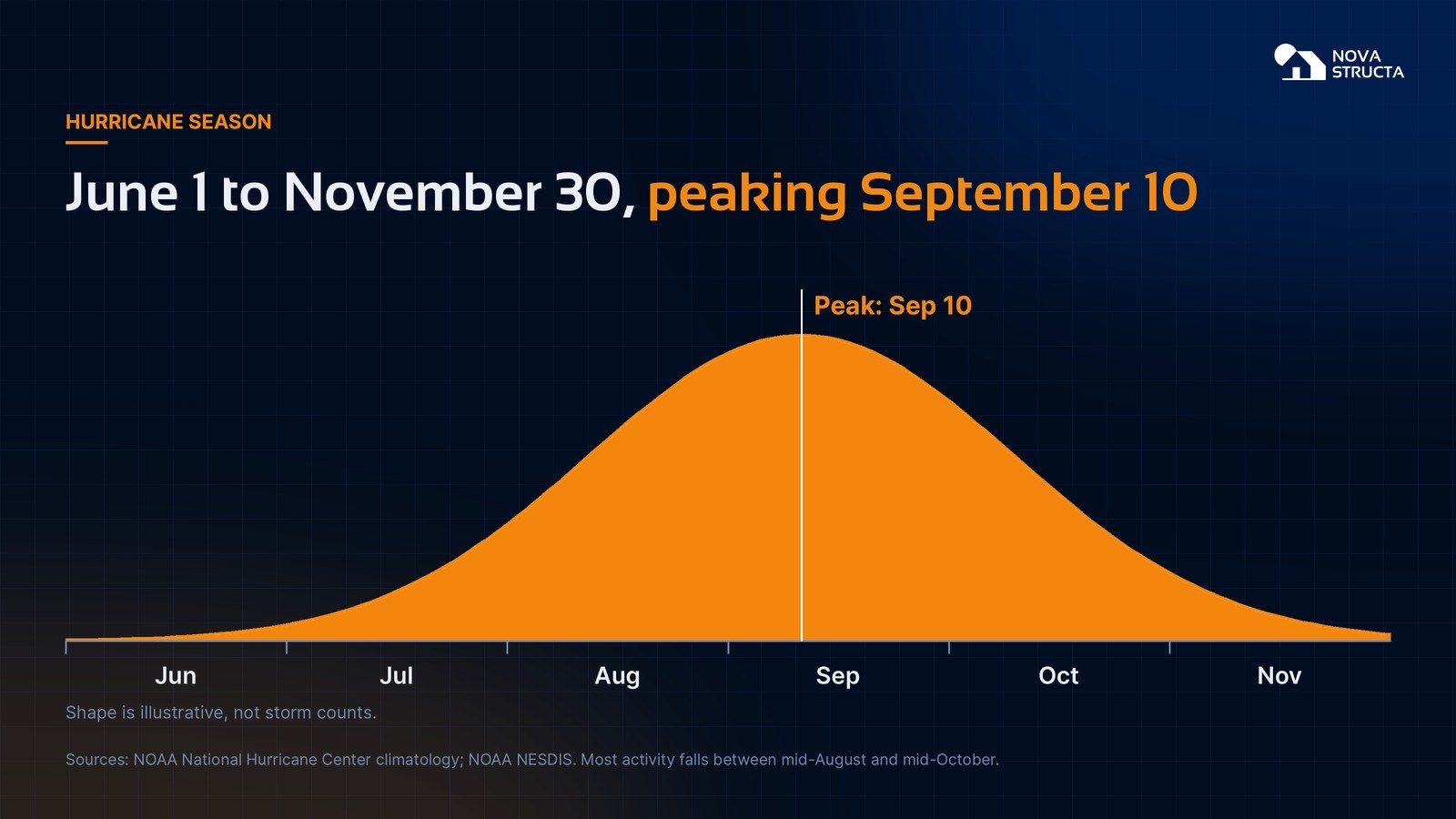
A Florida home runs on a different calendar: get ready in spring, manage humidity and storms in summer, check for damage through the fall peak, and save big projects for the dry winter. Hurricane season runs June 1 to November 30 and peaks around September 10.
Most home maintenance checklists are written for places with a hard winter. Florida's calendar is different. The hard season here is summer and fall, when the AC runs nonstop, afternoon storms soak the roof, and hurricanes can arrive any week from June through November [1].
This checklist is built for that calendar. It covers what to do every month, what to do in each of Florida's four practical seasons, and what to check after a storm. Every item links to a government agency or manufacturer source. Follow your own equipment's manuals first; this is general guidance, not a substitute for a licensed contractor.
Florida's real calendar
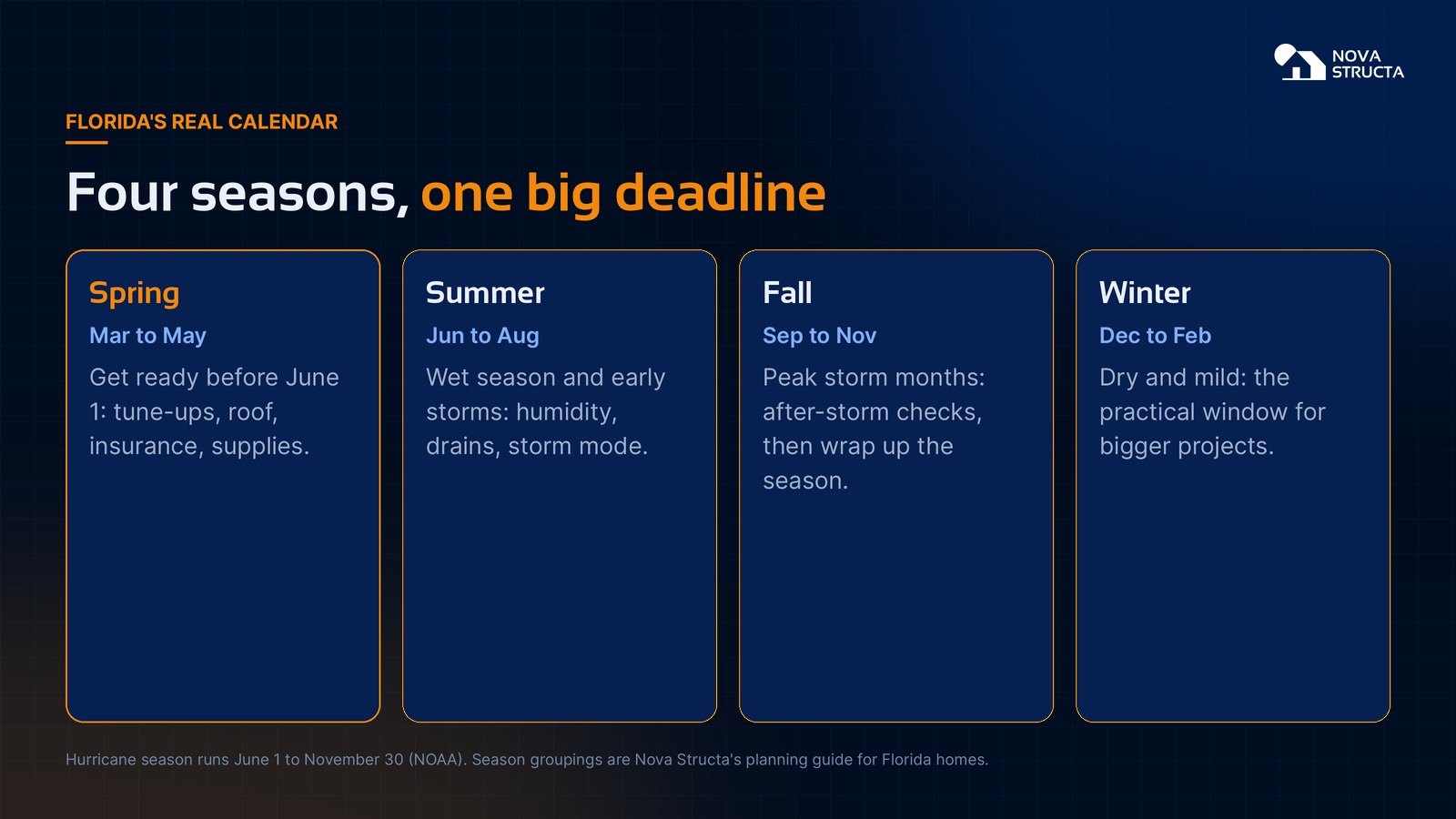
Think of the year in four blocks:
- Spring (March to May): the run-up. Everything that protects the house in a storm gets done before June 1.
- Summer (June to August): wet season and early storms. The AC and the roof work hardest.
- Fall (September to November): the peak of hurricane season, then the wind-down.
- Winter (December to February): dry and mild. The practical time for bigger projects.
Every month: the five-minute checks
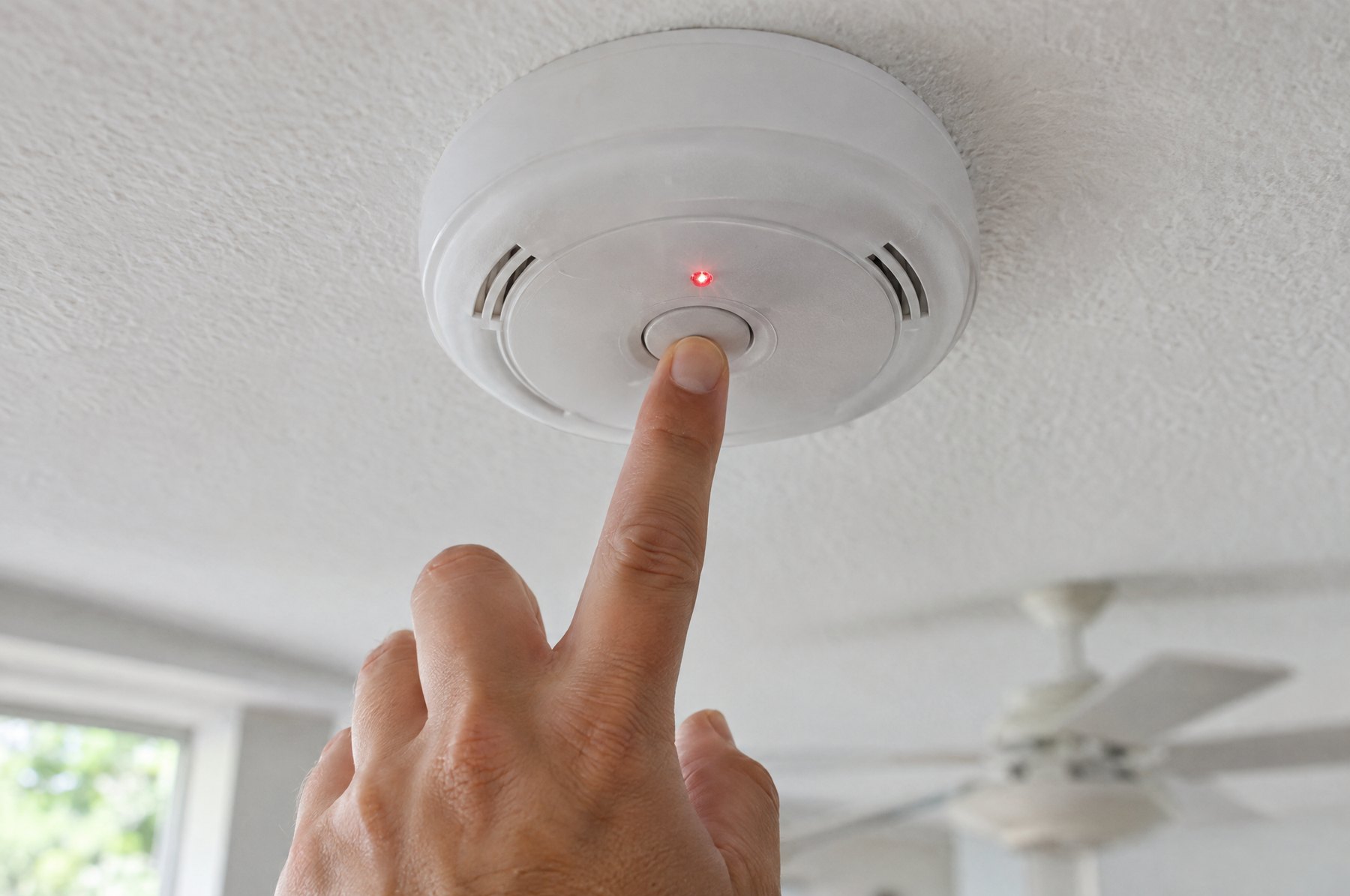
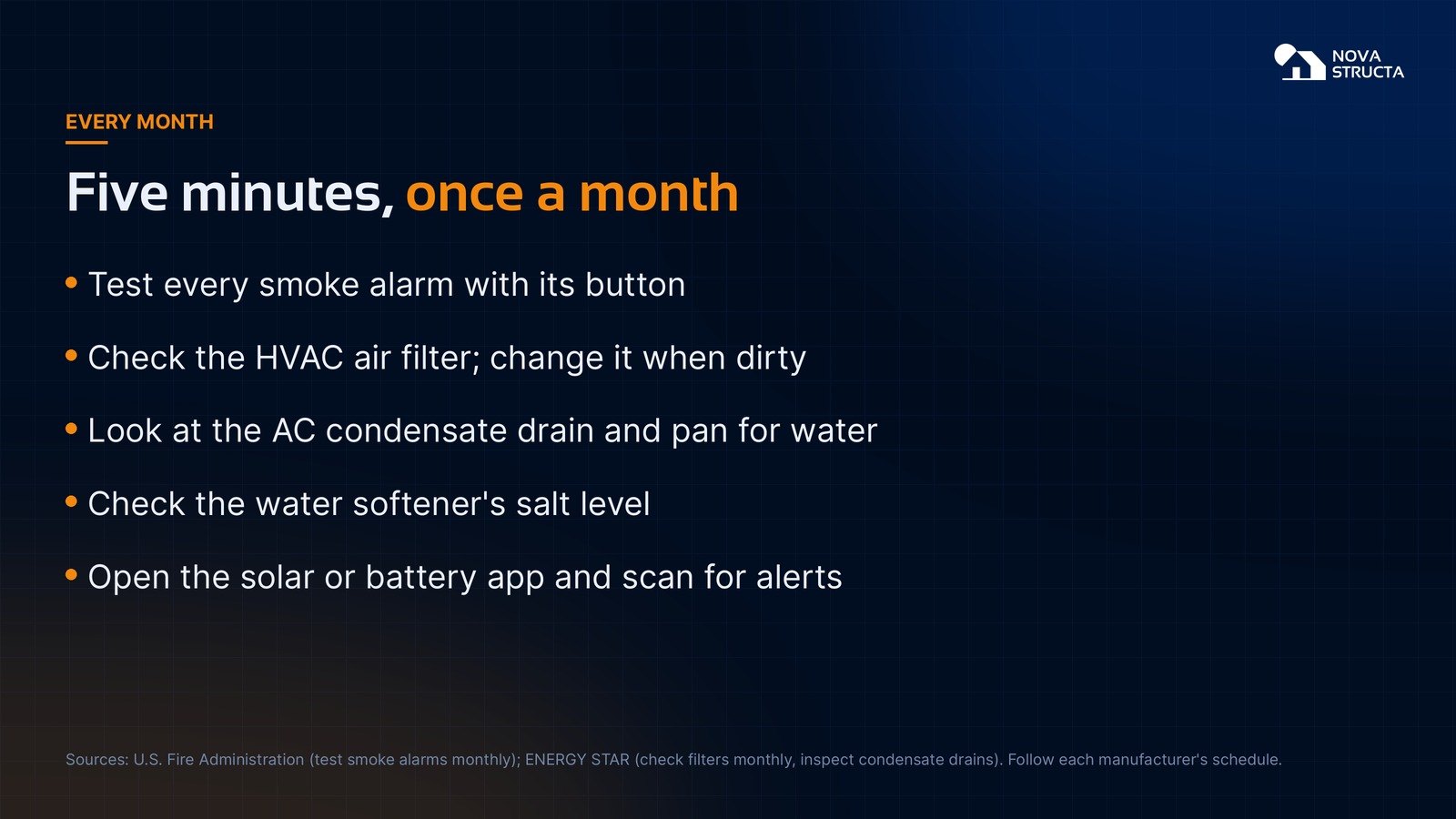
- Test every smoke alarm with its test button [6].
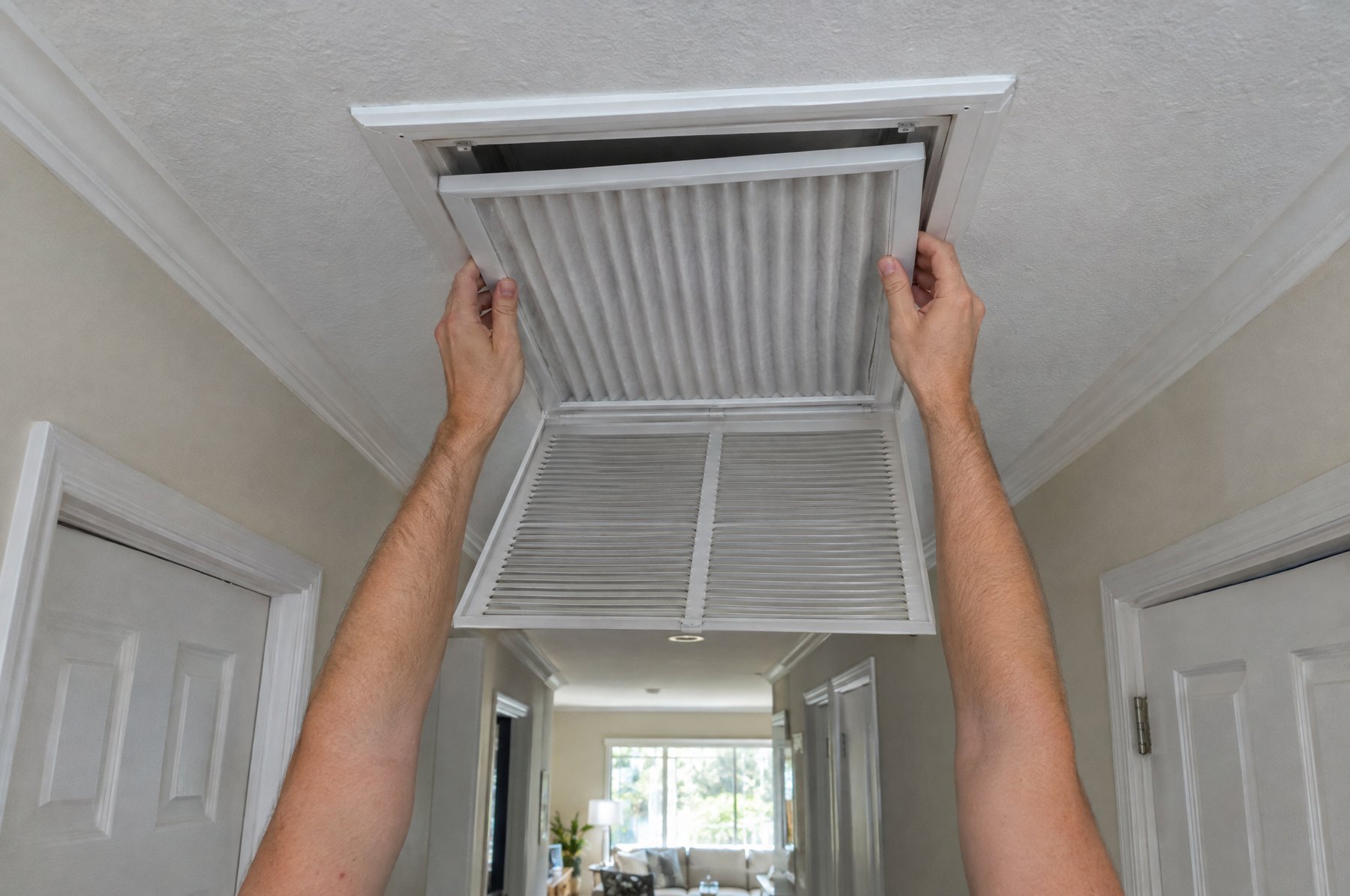
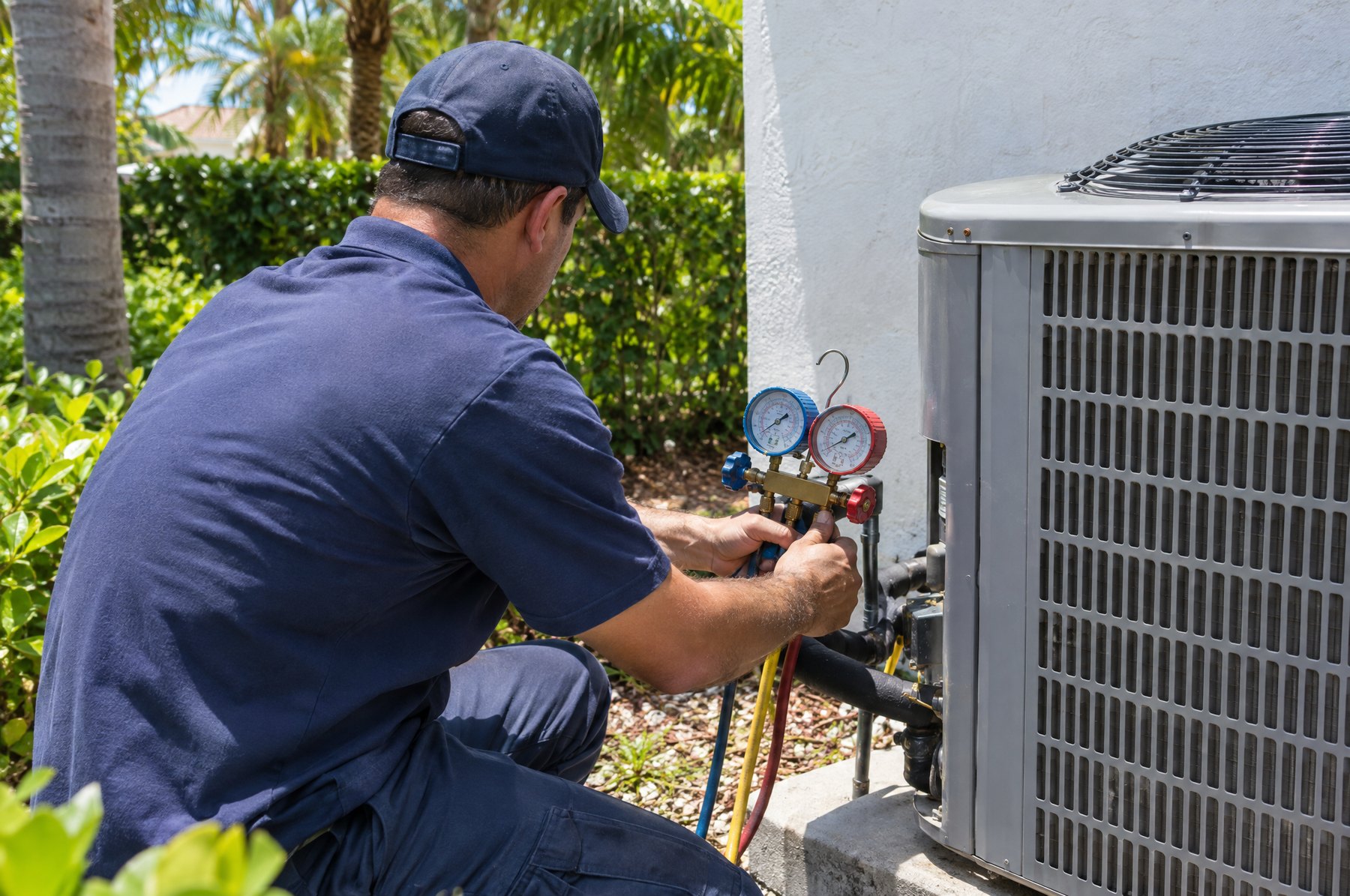
- Check the HVAC air filter. ENERGY STAR says to look at it monthly and clean or replace it when it is dirty, and at least every three months [3].
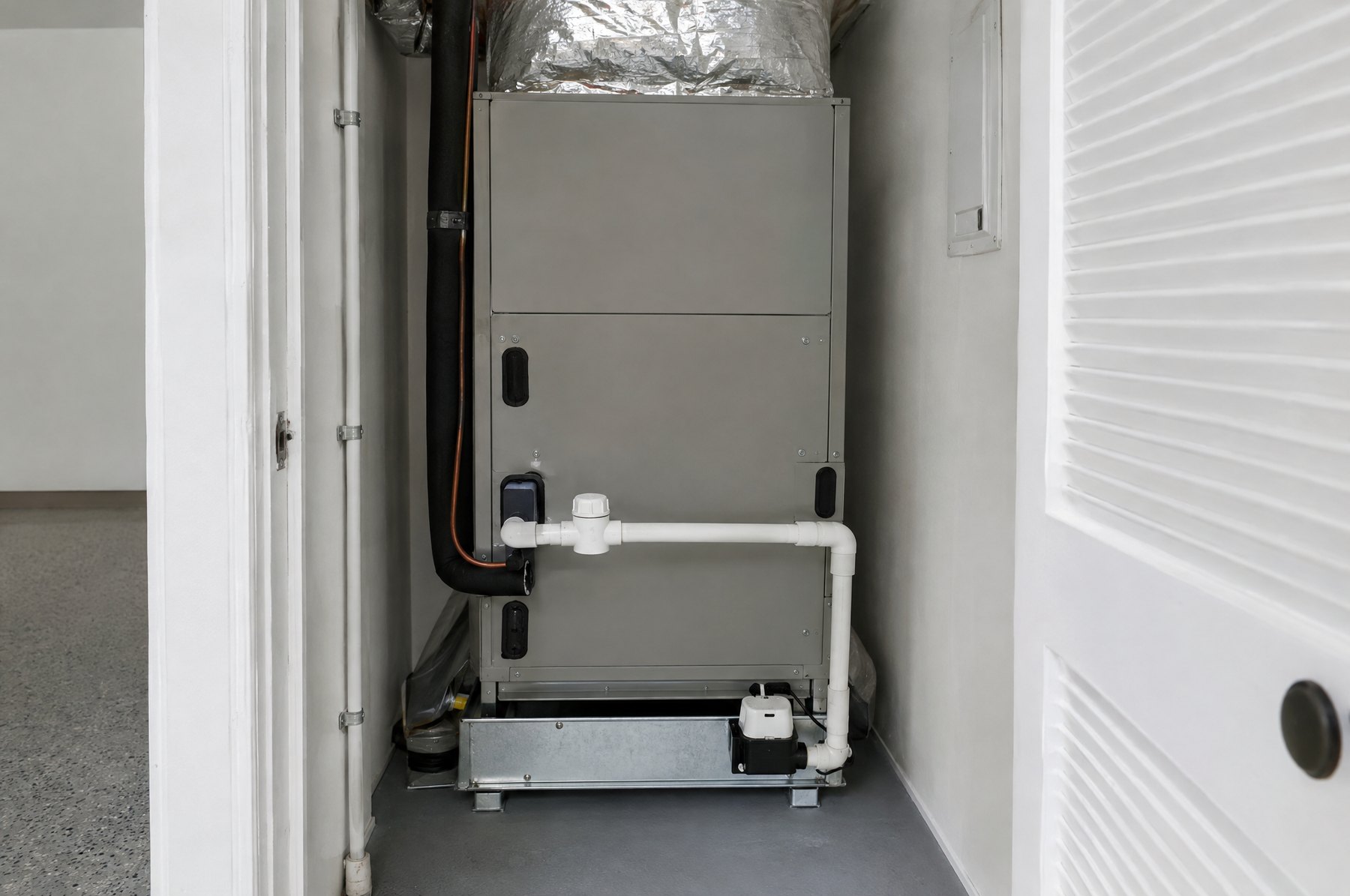
- Look at the AC condensate drain and pan. A plugged drain can cause water damage, raise indoor humidity and breed mold [4].
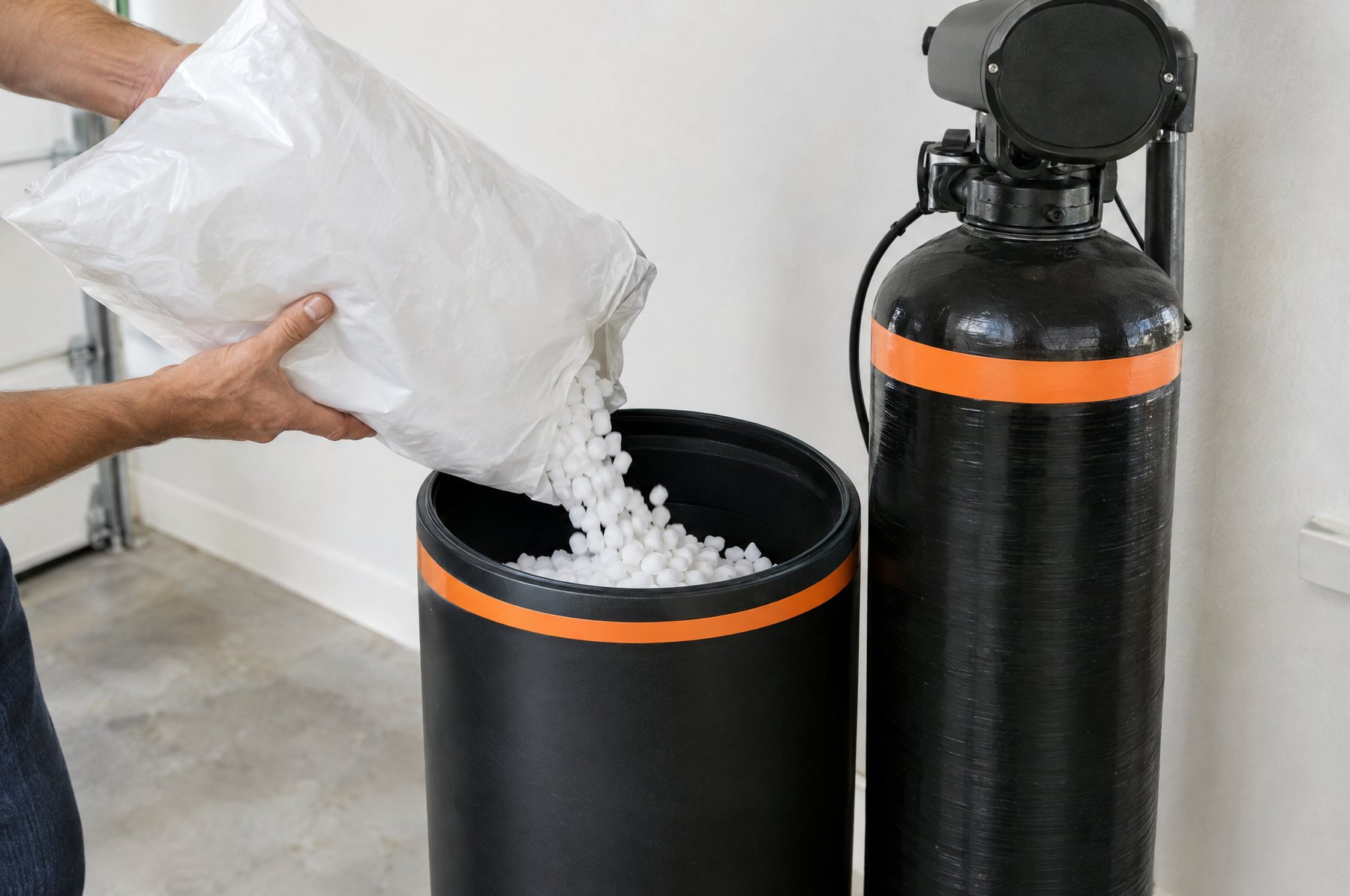
- Check the water softener's salt level and top it up per the manufacturer.
- Open your solar or battery app and look for alerts or a drop in production.
Spring (March to May): get ready before June 1
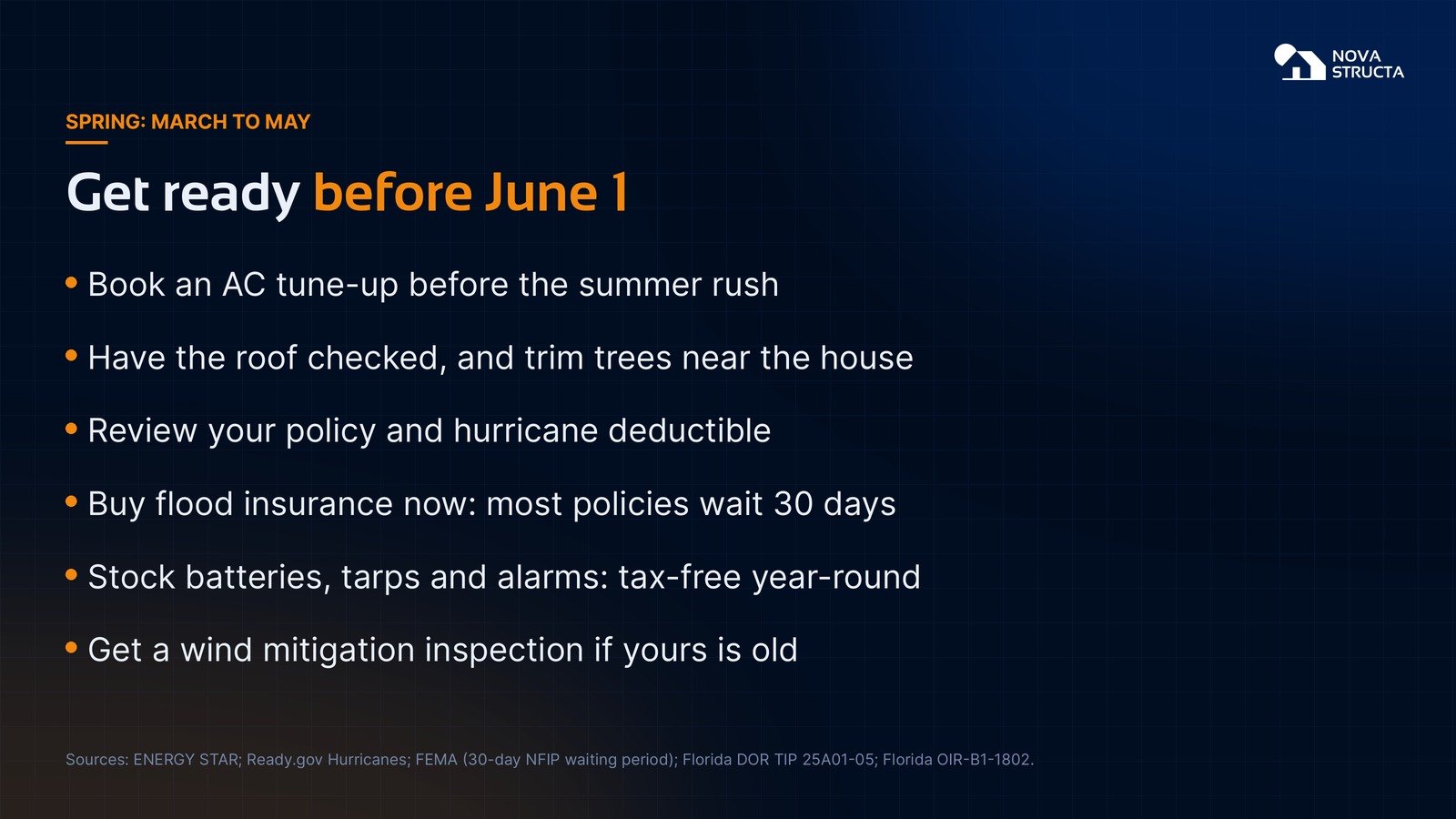
Spring is when you do the work that protects the house later:
- Book an AC tune-up. ENERGY STAR recommends a professional cooling check in spring, before contractors get busy [3].
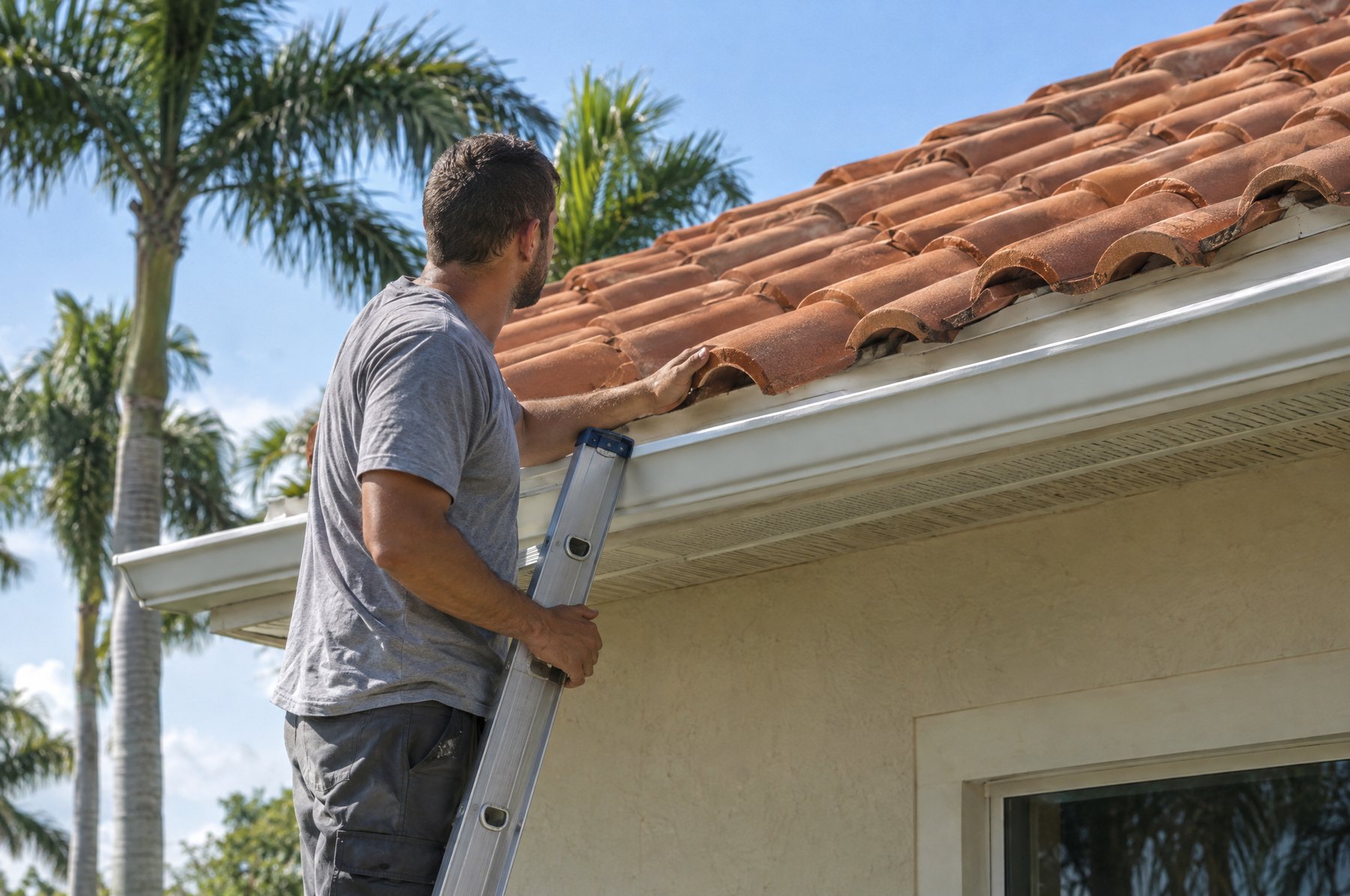
- Have the roof looked at, and trim trees. High winds turn branches into projectiles, so trim trees and shrubs near the house before the season [11]. We suggest a roof check every spring and after any named storm.
- Review your insurance. Make sure your policies and documents are current and keep digital copies. Standard homeowners policies do not cover flooding [11].
- Buy flood insurance early. Most new National Flood Insurance Program policies take 30 days to start [9].
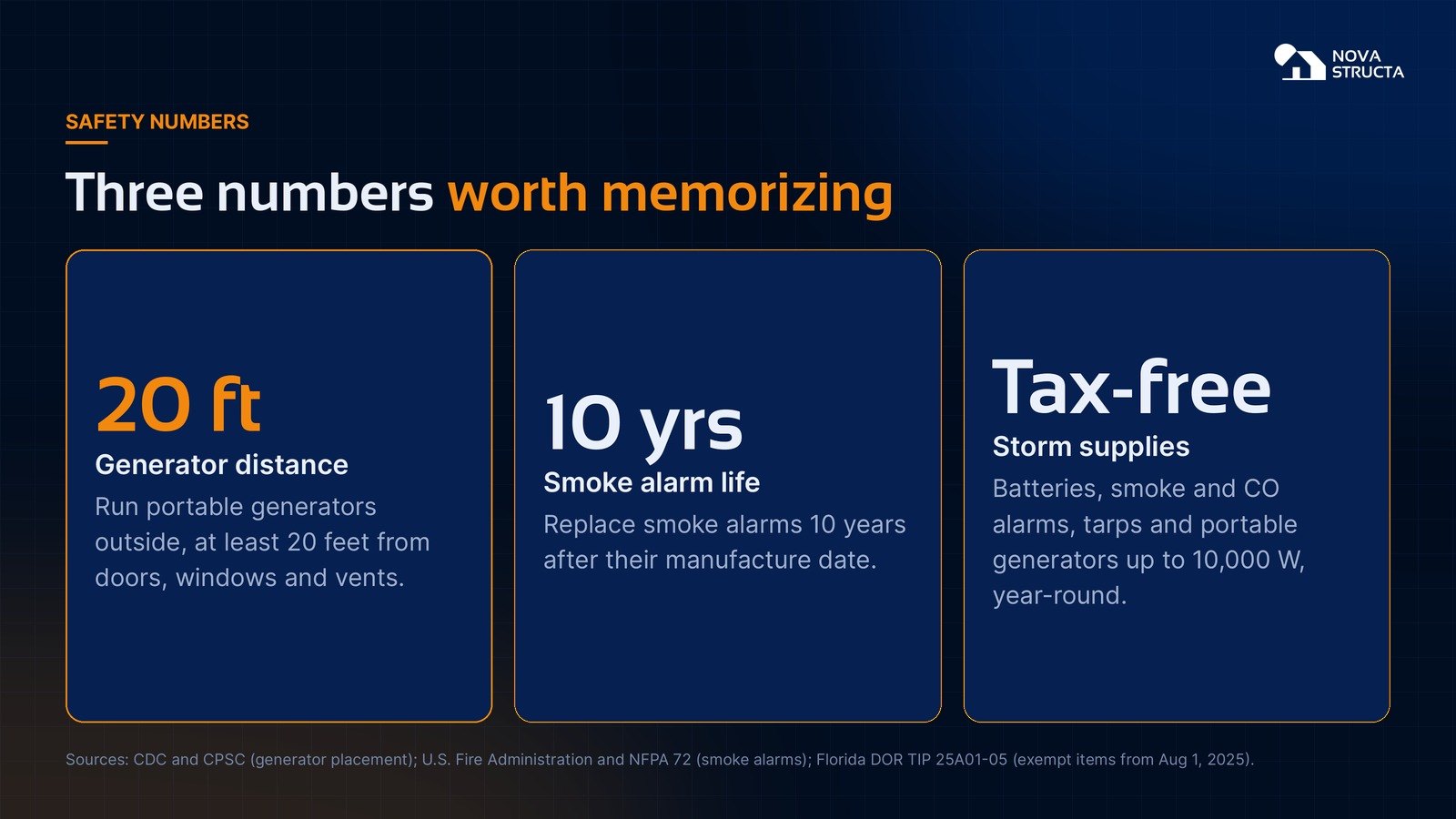
- Stock supplies. Since August 1, 2025, Florida has exempted items like batteries, smoke and carbon monoxide alarms, waterproof tarps and portable generators up to 10,000 running watts from sales tax year-round [12].
- Get a wind mitigation inspection if yours is old. The state form documents the roof and opening features insurers use for wind credits [16] [18], and the My Safe Florida Home program offers inspections and grants to eligible homeowners, subject to funding [17].
Summer (June to August): wet season, storm season
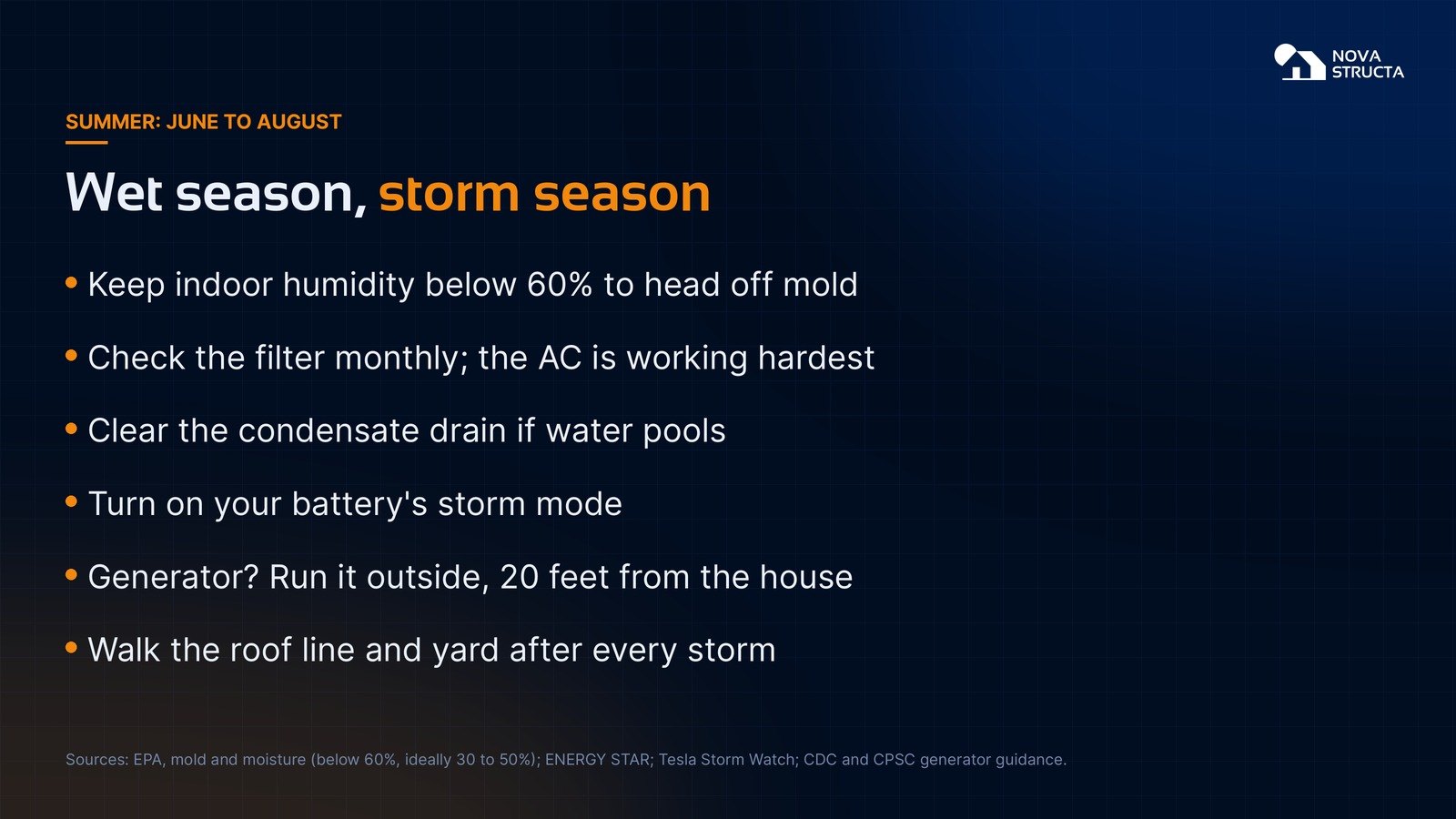
- Watch humidity. The EPA says to keep indoor relative humidity below 60%, ideally between 30% and 50% [5]. In Florida, the AC is your main dehumidifier.
- Keep checking the filter every month while the system runs hardest [3].
- Keep the condensate drain clear. If water pools in the pan or a float switch shuts the AC off, the drain is likely clogged [4].
- Turn on your battery's storm mode. On a Tesla Powerwall, Storm Watch charges the battery to full when severe weather is detected [13].
- Use generators safely. Run portable generators outside only, at least 20 feet from the house, with the exhaust pointed away from doors, windows and vents [8].
- Walk the roof line and yard after every storm and look for missing tiles or shingles, debris and water stains inside.
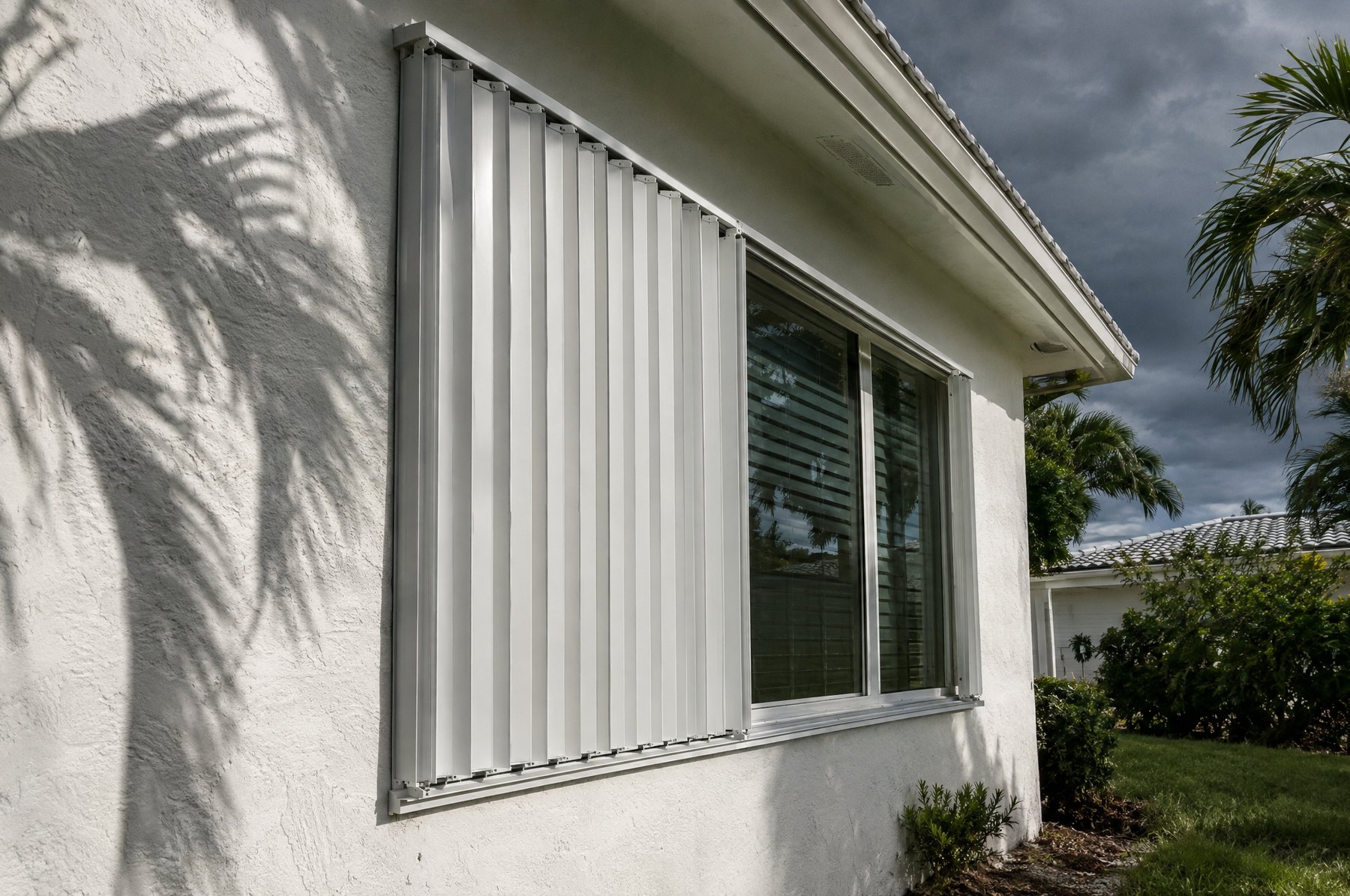
Fall (September to November): peak season, then wrap it up
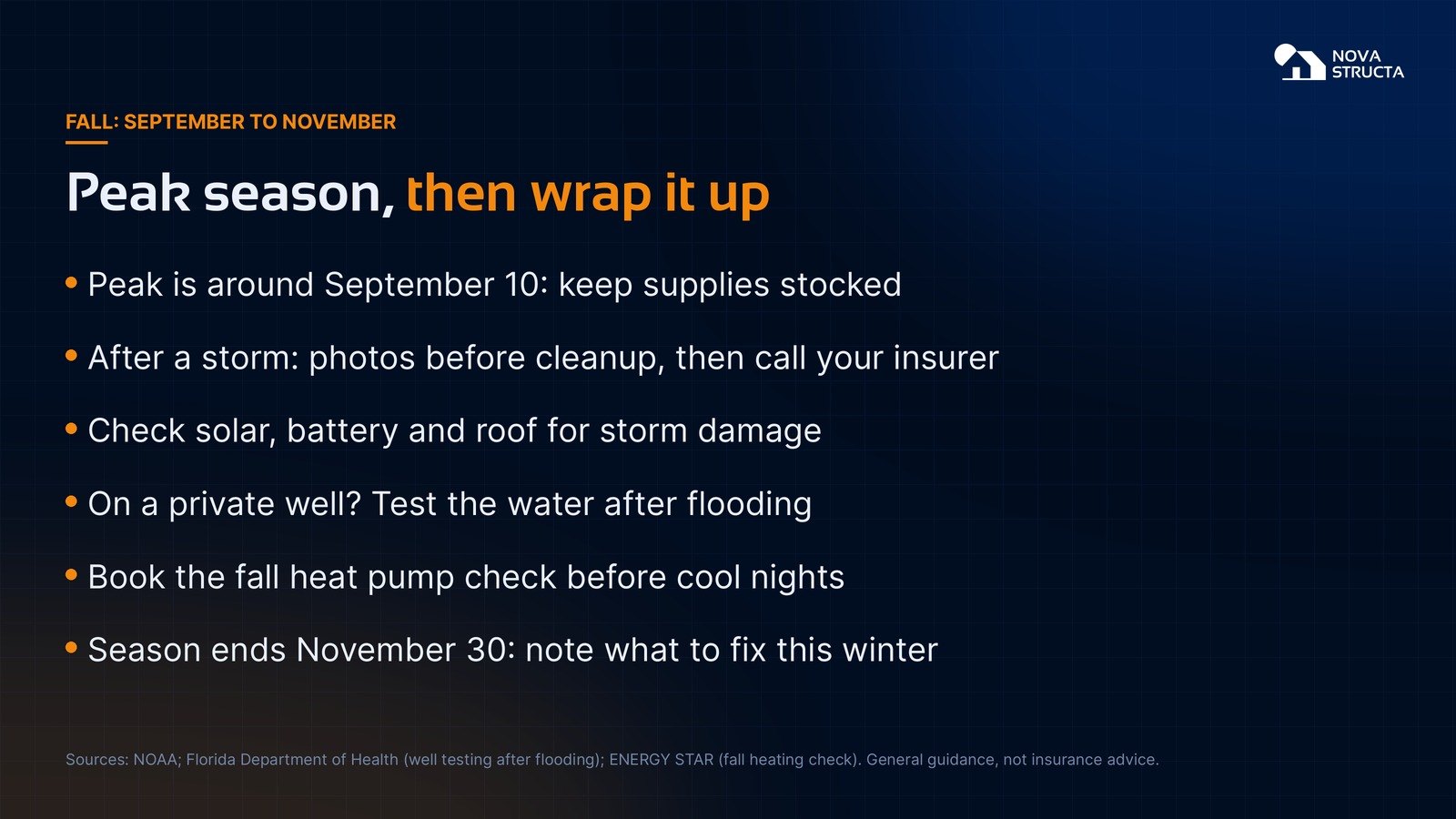
The season peaks around September 10, and most activity falls between mid-August and mid-October [1] [2]. Keep supplies stocked through October, and book the fall heating check ENERGY STAR recommends before cool nights arrive [3]. If your home heats with a heat pump, it is the same system that just carried you through summer, so it gets a second look.
After a storm: what to check
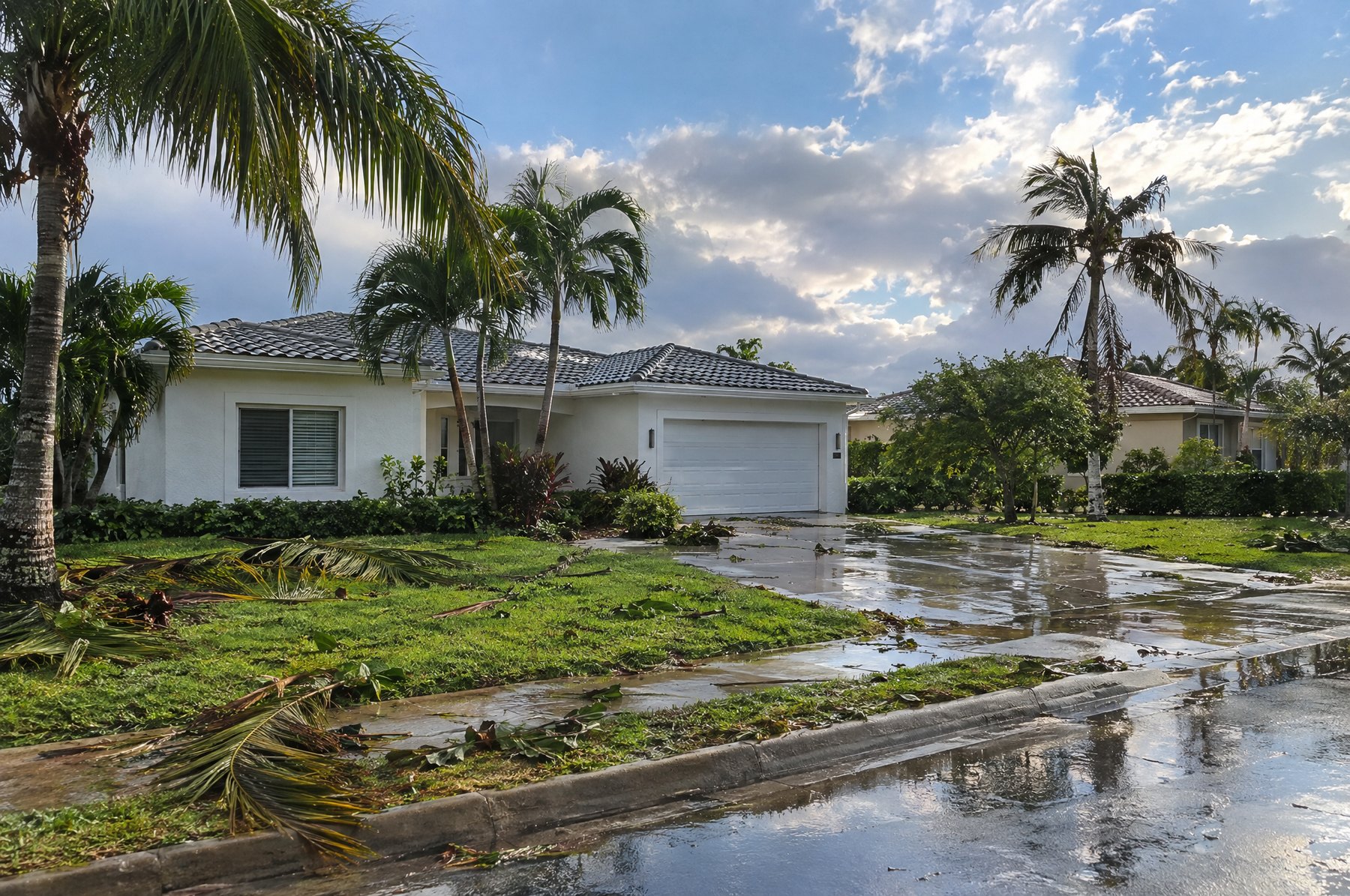
- Stay safe first. Avoid downed lines and standing water, and keep any generator outside and 20 feet from the house [8].
- Take photos before you clean up, inside and out, then contact your insurer.
- Check the roof from the ground for missing tiles, shingles or flashing, and the ceilings inside for stains.
- Check solar and battery. Look at the app for alerts, and do not climb on the roof to inspect panels.
- On a private well? After flooding, the Florida Department of Health advises having the water tested for bacteria before drinking it [14].
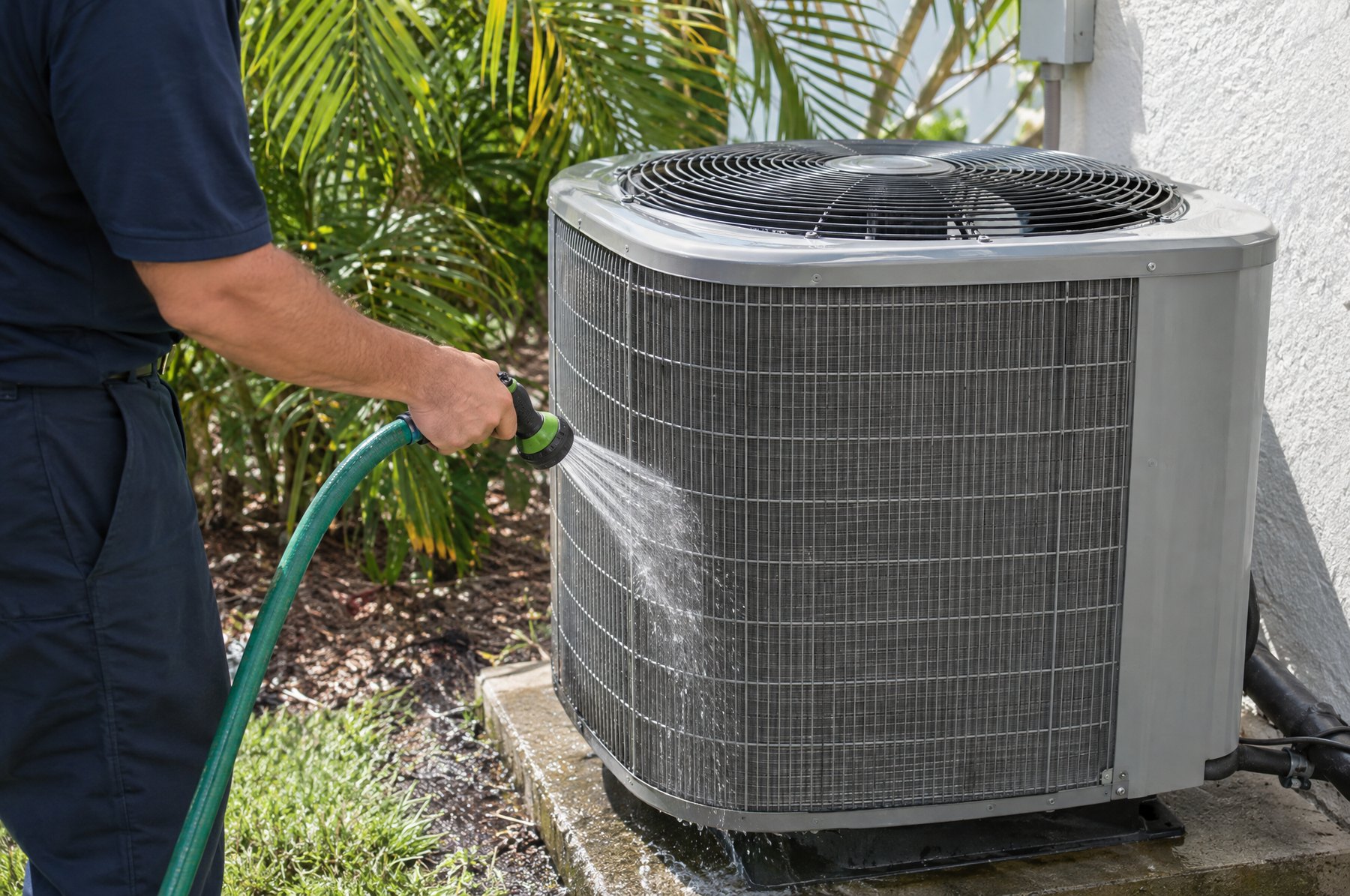
- Rinse the AC condenser if it is covered in debris, with the power off, and call a pro if it was underwater.
Winter (December to February): dry season, project season
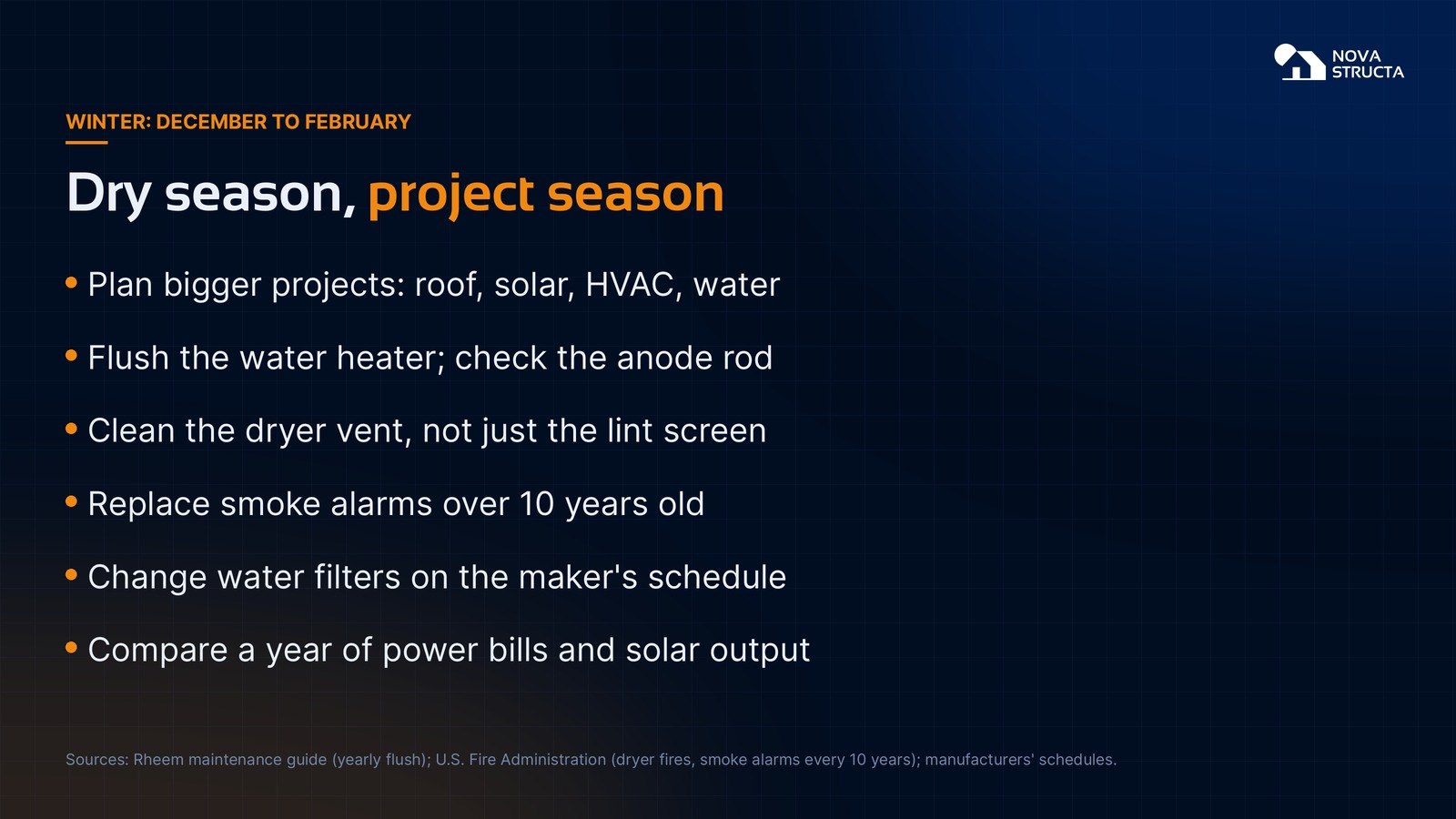
- Plan the big projects. A roof, solar, an HVAC replacement or a water treatment system is easier to schedule in the dry months than in the middle of hurricane season.
- Flush the water heater and check the anode rod. Rheem's maintenance guide covers flushing sediment and checking the anode rod, and hard water calls for more frequent care [15].
- Clean the dryer vent, not just the lint screen. Failure to clean is the leading factor in home clothes dryer fires [7].
- Replace smoke alarms more than 10 years old, counting from the manufacture date on the back [6].
- Change water filters and reverse osmosis cartridges on the manufacturer's schedule.
- Compare a year of bills with your solar production to spot changes.
Your AC, by the numbers
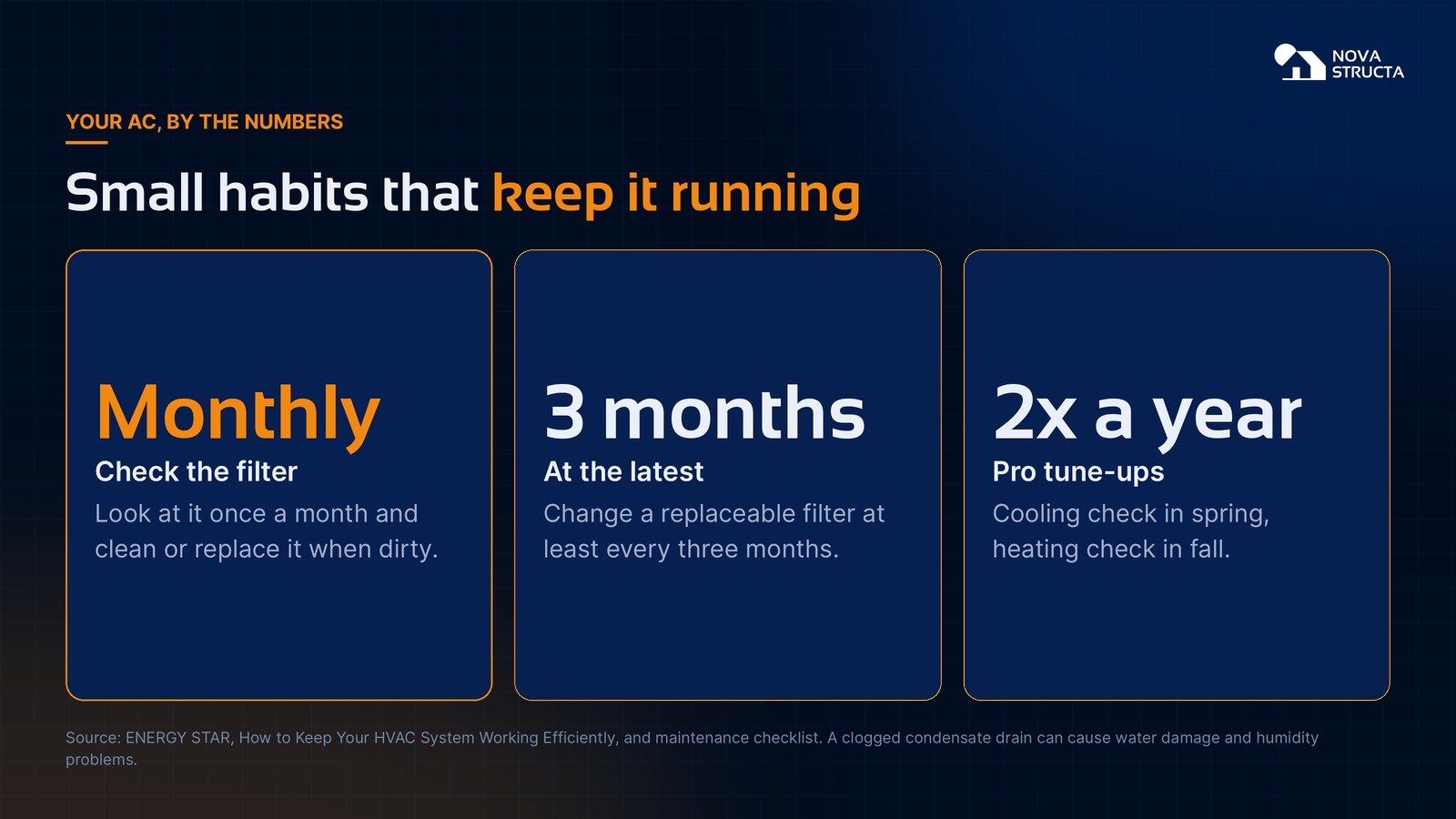
ENERGY STAR calls dirt and neglect the top causes of heating and cooling failure and inefficiency [3]. Three habits cover most of it: check the filter monthly, replace it at least every three months, and have a professional tune-up in spring and fall [3]. For repair or replace decisions, see repair or replace your AC and how long an AC lasts in Florida.
Insurance and safety numbers to know
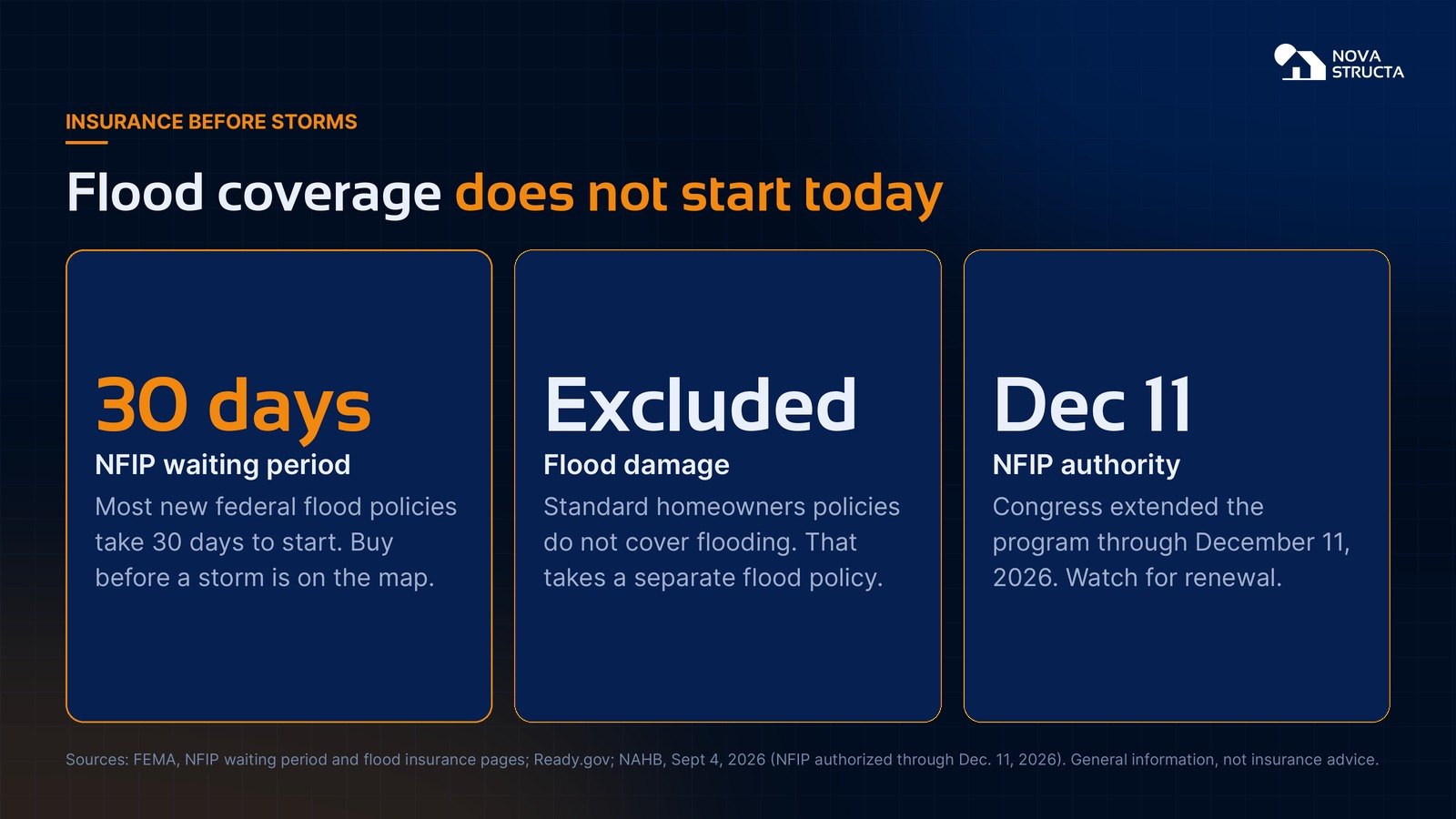
Two insurance facts trip up Florida homeowners every year. Flood damage is not covered by a standard homeowners policy [11], and a new federal flood policy usually takes 30 days to start [9]. The National Flood Insurance Program also depends on Congress: it is currently authorized through December 11, 2026 [10], so watch for renewal news if your policy renews around then.
Keep a home file
Keep one folder, paper or digital, with your insurance policies, the latest wind mitigation form, permits and warranties, equipment model numbers, and photos of each room. It speeds up claims after a storm and adds credibility when you sell. For the upgrades that matter most at resale, see 7 upgrades that add value to a Florida home.
The bottom line
A Florida home needs a Florida calendar. Do the protective work in spring, before June 1 [1]. Manage humidity and drains through the wet summer [4] [5]. Stay ready through the September peak [2] and check the house after every storm. Then use the dry winter for the bigger projects. A few minutes a month, a filter, a smoke alarm test and a look at the drain, prevents most of the expensive surprises.
If you would like a second set of eyes, our team can look at your roof, AC, water and power systems in one visit and tell you what needs attention first. Book a free assessment. Installations are performed by independent Florida licensed contractor(s).
Sources
- NOAA National Hurricane Center, Tropical Cyclone Climatology. nhc.noaa.gov
- NOAA NESDIS, "Earth from Orbit: Atlantic Hurricane Season Hits Its Peak." nesdis.noaa.gov
- ENERGY STAR, "How to Keep Your HVAC System Working Efficiently." energystar.gov
- ENERGY STAR, Certified Homes Maintenance Guide (heating and cooling, condensate drains). energystar.gov (PDF)
- U.S. Environmental Protection Agency, "A Brief Guide to Mold, Moisture and Your Home." epa.gov
- U.S. Fire Administration, Smoke Alarms. usfa.fema.gov
- U.S. Fire Administration, "Clothes Dryer Fires in Residential Buildings (2008-2010)." usfa.fema.gov (PDF)
- U.S. Consumer Product Safety Commission, "This Hurricane Season Take Steps to Protect Your Family from CO Poisoning and Other Post-Storm Dangers," 2024. cpsc.gov
- FEMA, "Waiting Period for Activating Flood Policy?" fema.gov
- National Association of Home Builders, "National Flood Insurance Program Extended Through Dec. 11," September 4, 2026. nahb.org
- Ready.gov, Hurricanes. ready.gov
- Florida Department of Revenue, Tax Information Publication 25A01-05, "New Sales Tax Exemptions Beginning August 1, 2025." floridarevenue.com (PDF)
- Tesla, Powerwall support, Storm Watch. tesla.com
- Florida Department of Health in Palm Beach County, "What to Do If Your Well Is Flooded." floridahealth.gov (PDF)
- Rheem, "How to Keep Your Tank and Tankless Water Heaters Running at Peak Performance," December 22, 2025. rheem.com
- Florida Office of Insurance Regulation, Uniform Mitigation Verification Inspection Form, OIR-B1-1802 (Rev. 04/26). floir.gov (PDF)
- Florida Department of Financial Services, My Safe Florida Home. mysafeflhome.com
- Florida Statutes, Section 627.0629, Residential property insurance; rate filings (2025). flsenate.gov
Savings and utility-bill examples shown are illustrative only, are not guaranteed, and may not reflect typical results. Actual savings depend on your energy usage, system size, roof and site conditions, financing terms, utility rates, net-metering rules, and other factors specific to your home.